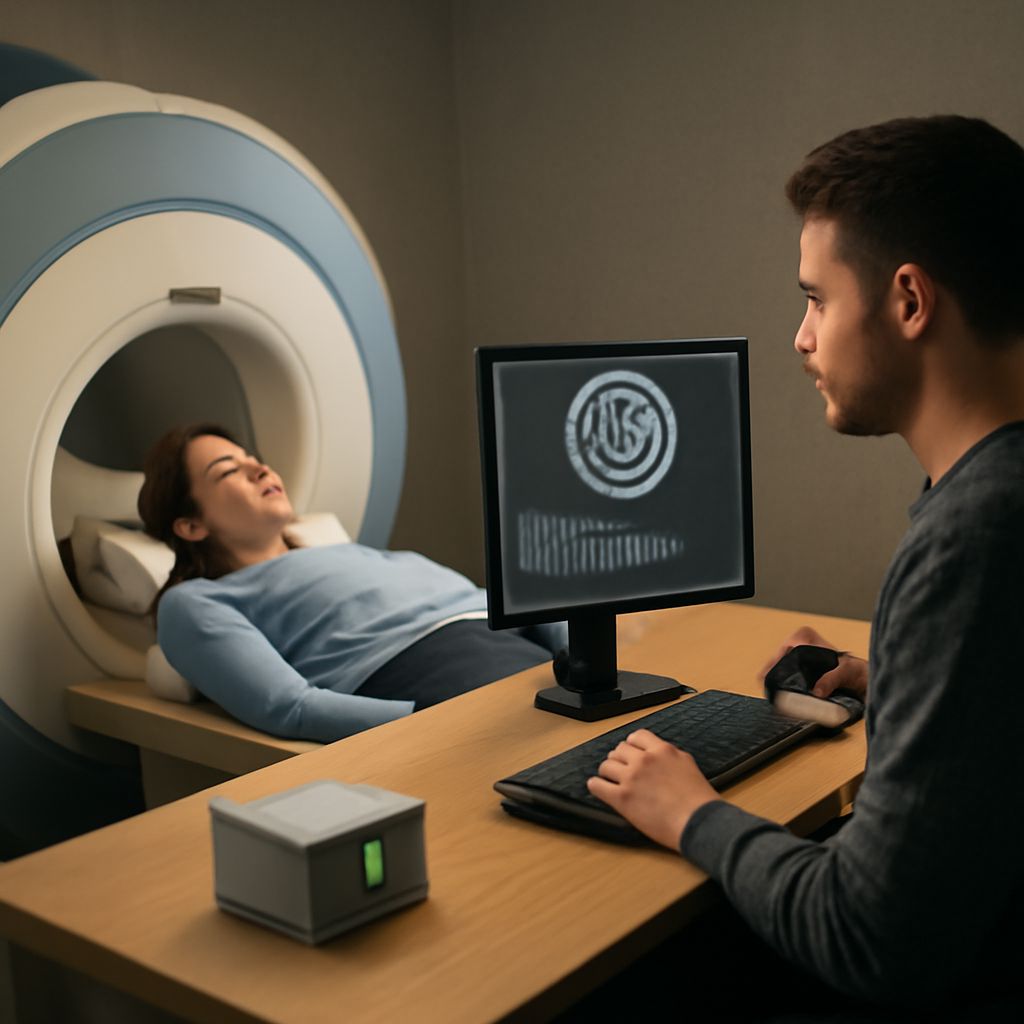
Many people are exploring new ways to care for their minds in a fast-changing world. Lens therapy for mental health is an emerging approach that aims to support emotional wellness using specialized tools and practices. By learning about lens treatment, individuals can discover options that may help them manage stress, boost self-esteem, and build resilience.
This article explains what lens therapy is and how it can benefit mental health. Whether you are curious about innovative treatments or searching for practical strategies to improve your well-being, understanding lens therapy and lens treatment options can help you make informed choices for your mental and emotional health.
Understanding Lens Therapy
Lens therapy for mental health is a specialized technique that uses optical lenses or digital lens technology to influence how the brain processes information. While the word “lens” may first remind you of glasses, in this context, it refers to devices or interventions that can adjust sensory input to promote better brain function.
This approach is rooted in neuroscience and psychology. By changing the way sensory data enters the brain, lens therapy aims to help people with anxiety, attention issues, or emotional struggles. In some cases, practitioners use physical lenses, while others use virtual or digital tools to shape visual or sensory experiences. These changes can alter how the brain interprets signals, which may lead to improvements in mood, focus, and emotional regulation.
Lens treatment is not a one-size-fits-all solution. The type of lens, the duration of therapy, and the supporting strategies are personalized for each person. For example, someone struggling with trauma might need a different approach than someone facing chronic stress or depression. Mental health professionals work with clients to identify which lens therapy methods are most likely to help.
Understanding these basics can empower individuals and families to consider how lens therapy could fit into a broader mental health care plan. For some, it may be used alongside counseling or medication, while for others it may be a primary intervention.
How Lens Treatment Works
Lens treatment involves changing the way a person’s brain receives and processes information from the environment. This can be accomplished with physical lenses placed over the eyes, virtual lenses on a digital device, or even auditory “lenses” that filter sounds. The core idea is to gently guide the brain towards more balanced and adaptive responses.
During a typical session, a practitioner assesses the individual’s unique needs. The type of lens used and the exercises performed will depend on those needs. For example, a child struggling with focus in school might use colored lenses for short periods, which can sometimes improve attention and reduce stress. Adults with trauma or anxiety might work with digital lenses that create calming visual patterns, helping the brain re-learn safe responses to triggers.
As the brain adapts to these changes, new neural pathways are formed. Over time, these pathways can help a person feel calmer, think more clearly, and respond to challenges with more resilience. Most lens therapy programs encourage regular practice. Short daily or weekly sessions are common. This ongoing exposure helps reinforce positive changes and makes the benefits last longer.
It’s important to note that lens treatment is typically guided by trained professionals. They monitor progress, adjust techniques, and provide support. Some individuals also learn self-guided exercises to practice between sessions. This combination of professional guidance and at-home practice can make lens therapy more effective and accessible for many people.
Benefits of Lens Therapy for Mental Health
Many people report positive results after using lens therapy for mental health concerns. Some say it helps them feel less anxious, more focused, or better able to manage daily stress. For individuals with trauma, lens treatment can make it easier to process difficult memories and regain a sense of safety.
One of the major benefits is the way lens therapy can work alongside other treatments. If someone is already seeing a therapist or taking medication, lens therapy can add another layer of support. It can also be helpful for those who want non-drug options to address their mental health needs. Some studies suggest that, when used properly, lens treatment may reduce symptoms of depression, anxiety, and even attention disorders.
Another advantage is the focus on skill-building. Lens therapy often teaches people practical techniques to calm their minds and bodies. This might include breathing exercises, guided imagery, or simple mindfulness practices. Over time, these skills can help individuals build emotional resilience and cope with life’s ups and downs more effectively.
Because lens therapy addresses the way the brain processes information, the benefits can extend beyond mental health. Some individuals notice improvements in sleep, relationships, and even physical symptoms like headaches or fatigue. While more research is needed, the early results are promising for many who struggle with emotional balance or stress-related issues.
When to Consider Lens Treatment
Deciding whether to try lens therapy for mental health involves careful thought. Some people turn to lens treatment after trying other methods without success, while others use it as a part of their overall wellness plan from the start. It may be a good option for people who want a gentle, non-invasive way to address symptoms like anxiety, low mood, or trouble concentrating.
Lens therapy is especially useful when traditional talk therapy or medication has not provided enough relief. For example, children with sensory processing challenges may benefit from using special lenses to help their brains organize information. Adults facing chronic stress or trauma may also find that lens treatment helps them feel safer and more in control of their emotions.
However, it is important to consult with a mental health professional before starting lens therapy. Not every approach is right for every person. A qualified provider will consider individual history, medical needs, and personal goals. In some cases, lens therapy may be used alongside other treatments, such as cognitive-behavioral therapy or medication, to improve results.
Families can also benefit from learning about lens treatment options. Parents or caregivers of children with ADHD, learning difficulties, or emotional regulation problems may want to explore lens therapy as part of a comprehensive support plan. Open communication with healthcare providers can help ensure that all interventions work together for the best possible outcome.
Finding the Right Lens Therapy
Choosing the best lens therapy for mental health means looking at the available options and finding a provider with the right experience. Professionals who offer lens treatment should have specialized training in both mental health and the use of lens-based interventions. This ensures that therapy is safe, ethical, and tailored to the individual’s needs.
Start by asking mental health providers if they offer lens therapy or can recommend someone who does. Look for practitioners who explain the process clearly and answer questions about how lens treatment fits into your overall wellness goals. It’s also wise to ask about the evidence supporting each type of therapy, as well as the expected timeline for improvement.
Many clinics offer initial assessments to determine if lens therapy is a good fit. This assessment typically includes a review of symptoms, a discussion of past treatments, and sometimes a trial session with the therapy tools. Family members may be included in consultations, especially when therapy is for children or teens.
Trust and comfort are important in any mental health treatment. Make sure you feel understood and respected by your lens therapy provider. If you are unsure about a particular approach, ask for additional information or a referral to another specialist. Taking small steps and keeping realistic expectations can make the journey toward better mental health feel more manageable. With the right support, lens therapy can become a valuable tool for nurturing emotional well-being and building lasting resilience.