Mini stroke symptoms can be subtle but signal an urgent need for medical attention. Recognizing these early signs—also known as TIA symptoms—is essential for preventing further brain damage and reducing the risk of a major stroke. A transient ischemic attack (TIA) presents warning signs similar to those of a mini stroke, and prompt action can make all the difference in recovery outcomes. Understanding what to look for, why it happens, and what to do next will empower you to keep yourself and your loved ones safe.
Knowing the difference between mini stroke symptoms and the signs of a full stroke equips you to act fast. If you or someone around you experiences any of the symptoms discussed below, seeking immediate care could save a life and prevent long-term disability. This guide will help you recognize the signs, understand the causes, and learn essential steps for prevention and recovery.
What Are Mini Stroke Symptoms?
The term “mini stroke” refers to a transient ischemic attack (TIA), which causes stroke-like symptoms that usually last only a few minutes and resolve within 24 hours. Mini stroke symptoms often appear suddenly and vanish just as quickly, but they are important warning signals that should never be ignored. Recognizing these symptoms early can significantly decrease the risk of a future, more severe stroke.
Common mini stroke symptoms include sudden numbness or weakness in the face, arm, or leg, particularly on one side of the body. You might also notice abrupt confusion, trouble speaking, or understanding speech. Other signs are sudden vision problems in one or both eyes, difficulty walking, dizziness, loss of balance, or lack of coordination. While these symptoms may disappear quickly, their sudden onset is a red flag.
It can be tempting to brush off these symptoms if they resolve on their own, but doing so can lead to serious consequences. Even brief episodes of weakness, confusion, or slurred speech are not normal and should prompt immediate evaluation. Mini stroke symptoms provide the body’s early warning system—taking them seriously is essential.
Sometimes, people dismiss mild or short-lived symptoms, mistaking them for fatigue, low blood sugar, or migraine. However, a TIA is always a medical emergency, regardless of how quickly it passes. Quick recognition and response can prevent lasting brain injury and improve long-term brain health.
Understanding TIA Symptoms and Causes
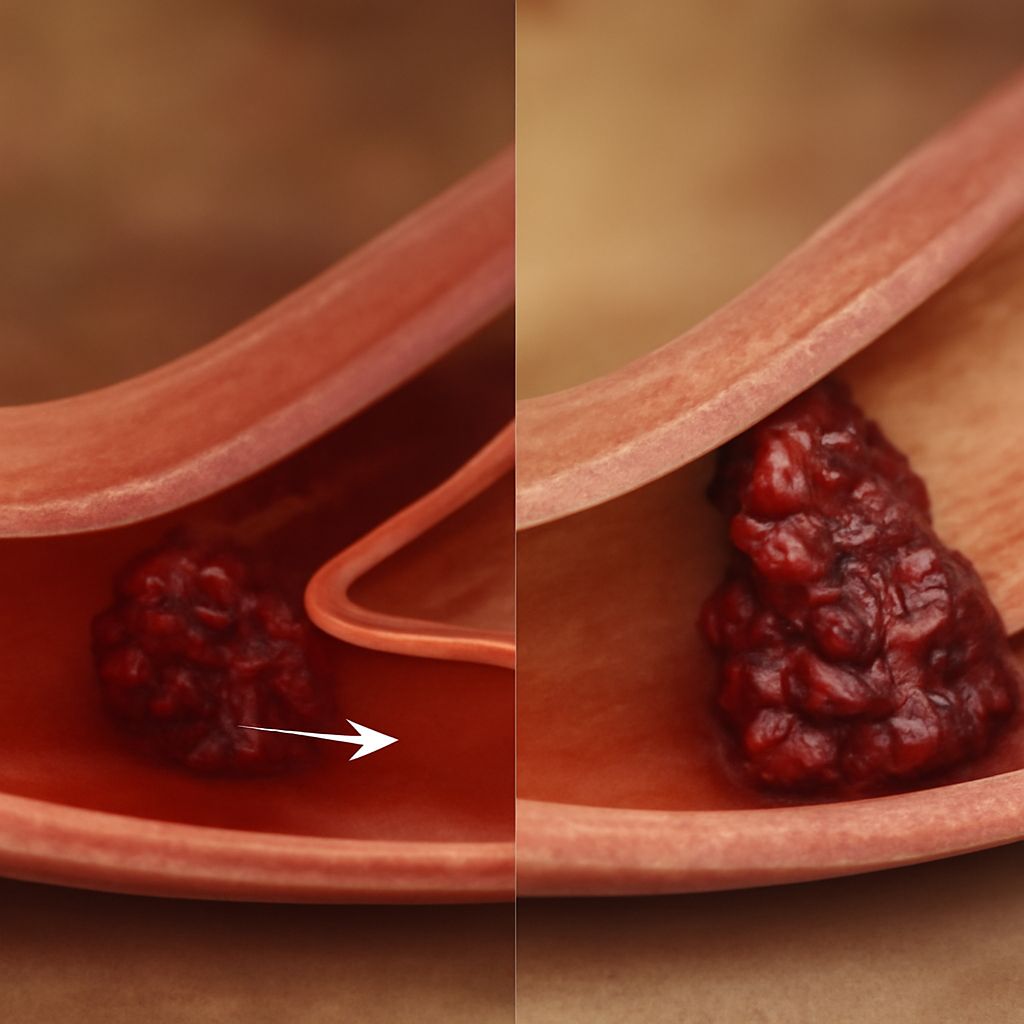
TIA symptoms often mirror those of a full-blown stroke, but they occur when blood flow to part of the brain is temporarily blocked or reduced. The blockage typically lasts only a few minutes and doesn’t cause permanent damage. However, the underlying reasons for a TIA—such as narrowed blood vessels or blood clots—need urgent medical attention.
Some of the most common TIA symptoms are sudden weakness or numbness, trouble with speech or understanding, and loss of vision. Additional signs include sudden dizziness, difficulty balancing, and confusion. These symptoms are your body’s way of alerting you to a possible problem with blood flow to the brain.
The causes behind transient ischemic attack symptoms are similar to those of a major stroke. Most often, a clot forms in a blood vessel supplying the brain or travels there from another part of the body. Conditions such as high blood pressure, diabetes, high cholesterol, and atrial fibrillation increase the risk. Lifestyle factors—like smoking, obesity, poor diet, and lack of exercise—also contribute to TIAs.
It’s important to understand that while TIA symptoms may go away quickly, the risk of a subsequent stroke is highest within the first 48 hours after a TIA. This makes it crucial to get a thorough medical evaluation, uncover the cause, and take steps to lower your risk of a future stroke. Knowing your risk factors and the signs of a TIA can empower you to make changes that protect your brain health.
Transient Ischemic Attack Symptoms vs. Stroke
While both TIAs and strokes share many symptoms—such as sudden weakness, numbness, confusion, or vision changes—the main difference lies in how long the symptoms last and whether brain damage is permanent. TIA symptoms usually resolve within an hour, while stroke symptoms often persist longer and can result in lasting impairment.
If you or someone else experiences sudden loss of movement, slurred speech, or vision problems, it can be difficult to tell whether it’s a TIA or a full-blown stroke. Because the symptoms are so similar, it’s important to treat every episode as an emergency. Immediate medical attention is necessary since there’s no way to know whether symptoms will resolve or progress to permanent brain injury.
The phrase “time is brain” is often used by stroke specialists. This means that with every passing minute, brain cells may die if blood flow is not restored. Even though transient ischemic attack symptoms disappear on their own, they serve as a critical warning sign that should never be ignored. Acting quickly can prevent severe consequences.
One key thing to remember is that transient ischemic attack symptoms may provide an opportunity for intervention before irreversible harm occurs. Early diagnosis and treatment can help prevent a major stroke, which could otherwise result in disability or even death. Having a clear understanding of the differences and similarities between TIAs and strokes helps you make informed decisions in a crisis.
When to Seek Help for TIAs
Mini stroke symptoms and TIA symptoms should always be treated as medical emergencies, no matter how mild or fleeting. The right response is to call emergency services immediately—do not wait to see if symptoms go away. Acting fast ensures that proper tests and treatments can be started right away.
If you or a loved one experiences sudden numbness, trouble speaking, severe headache, or loss of balance—even for a few minutes—don’t try to drive yourself to the hospital. Call for an ambulance. Emergency teams can start care on the way and communicate with the hospital to prepare for your arrival. This rapid response can be the difference between a full recovery and permanent disability.
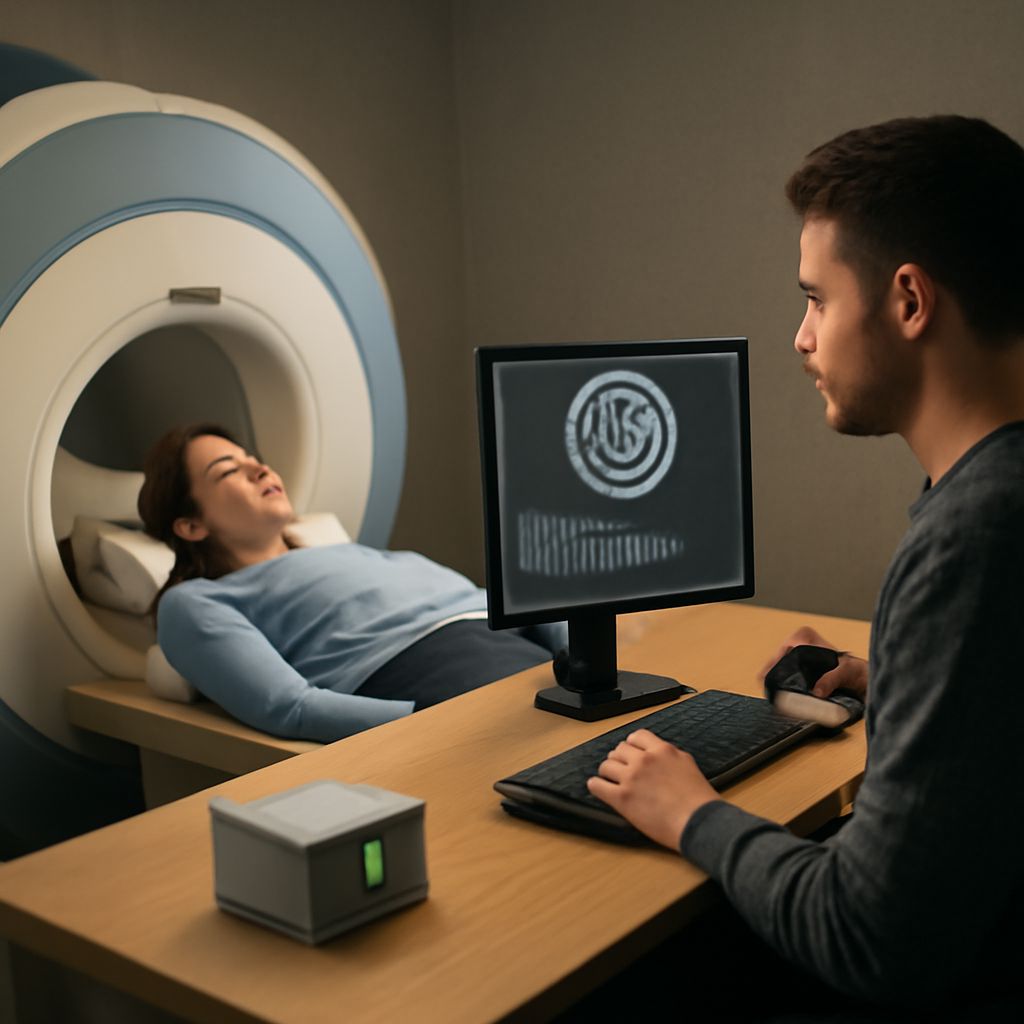
Doctors will use a combination of physical exams, imaging tests (like CT or MRI scans), and blood tests to quickly determine whether you had a TIA or a stroke. Early evaluation helps pinpoint the cause, rule out other conditions, and guide the right treatment plan. It’s also vital to report any history of similar episodes, no matter how short-lived, since this can affect your risk assessment.
Don’t rely on symptoms to diagnose yourself. Because TIA symptoms are unpredictable and can resemble other problems (like migraines or low blood sugar), only trained professionals can make the correct diagnosis. Never ignore warning signs, and encourage loved ones to seek immediate help if you notice anything unusual.
Prevention and Recovery Strategies
After a TIA, the risk of a major stroke can be significantly reduced with the right prevention and recovery strategies. Managing health conditions—such as high blood pressure, diabetes, and high cholesterol—is key to lowering your risk. Medications to prevent blood clots or control risk factors may also be prescribed.
Healthy lifestyle choices play a powerful role in stroke prevention. This includes quitting smoking, eating a balanced diet rich in fruits, vegetables, and whole grains, staying physically active, and maintaining a healthy weight. Limiting alcohol and managing stress can further protect your brain and heart health. These changes not only reduce the chance of another TIA, but also support overall well-being.
Attending all follow-up appointments and taking prescribed medications as directed is essential after experiencing transient ischemic attack symptoms. Your healthcare provider may recommend additional diagnostic tests, physical therapy, or occupational therapy to support recovery. Early rehabilitation can help restore lost skills and increase independence, especially if symptoms caused temporary weakness or speech problems.
Finally, educating yourself and your support network about mini stroke symptoms ensures quicker action if warning signs return. Learning the warning signs, maintaining regular checkups, and managing chronic conditions are the best steps to safeguard your mental health and cognitive function after a TIA.
Next steps: Stay alert to any signs of mini stroke symptoms or TIA symptoms in yourself or others. Seek immediate medical attention if symptoms occur, even for a moment. Work closely with your healthcare team to manage risk factors and follow recommended prevention strategies. With the right knowledge and proactive care, you can reduce your risk and protect your brain health for years to come.