Swahili is one of the most vibrant and widely spoken languages in Africa, stretching far beyond its coastal origins. As people grow more interested in global communication, understanding the Swahili language and meaning becomes increasingly important. With millions of speakers and a deep cultural heritage, Swahili offers a unique lens into the history and diversity of East Africa.
This article explores how Swahili developed, what gives the language its unique qualities, and why Swahili is meaningful to so many people. We will also consider the role of Swahili in daily life and its cultural importance, offering insights for anyone curious about expanding their language skills or cultural awareness.
The Origins of Swahili
The Swahili language, known locally as Kiswahili, traces its roots to the East African coast. Communities along the shores of Kenya, Tanzania, and Mozambique have spoken variations of Swahili for centuries. The language emerged through centuries of contact and trade among Africans, Arabs, Persians, and other groups. These interactions helped form a unique culture and language, blending native Bantu elements with influences from Arabic and beyond.
Swahili first developed as a lingua franca, a bridge language enabling communication across diverse groups. Its coastal roots made it essential for traders and travelers moving goods and ideas along the Indian Ocean. Over time, Swahili absorbed words and grammar from Arabic, due to the arrival of traders and the spread of Islam in the region. Other outside influences, such as Portuguese and German, also left their mark, but Arabic remains the most significant contributor after the Bantu base.
As kingdoms and city-states such as Kilwa, Mombasa, and Zanzibar grew, Swahili solidified its place as the language of commerce, culture, and diplomacy. Early written records in Swahili can be traced to poetry and religious texts from as early as the 18th century, written in Arabic script. The adoption of the Latin alphabet in the 20th century made the language more accessible and mapped its expansion well beyond the coast.
Today, Swahili is recognized as an official or national language in several countries, including Tanzania, Kenya, Uganda, and the Democratic Republic of Congo. Because of its deep history and spread, the Swahili language and meaning reach millions, making it one of Africa’s most influential languages.
Features of the Swahili Language
The Swahili language has clear structural features that make it both unique and approachable for learners. It belongs to the Bantu family of languages, known for their rich noun class systems. In Swahili, every noun belongs to a specific class, and this affects how verbs, adjectives, and pronouns connect with nouns in a sentence. For example, the word for “person” is mtu, and the plural is watu—the prefixes show the noun class and number.
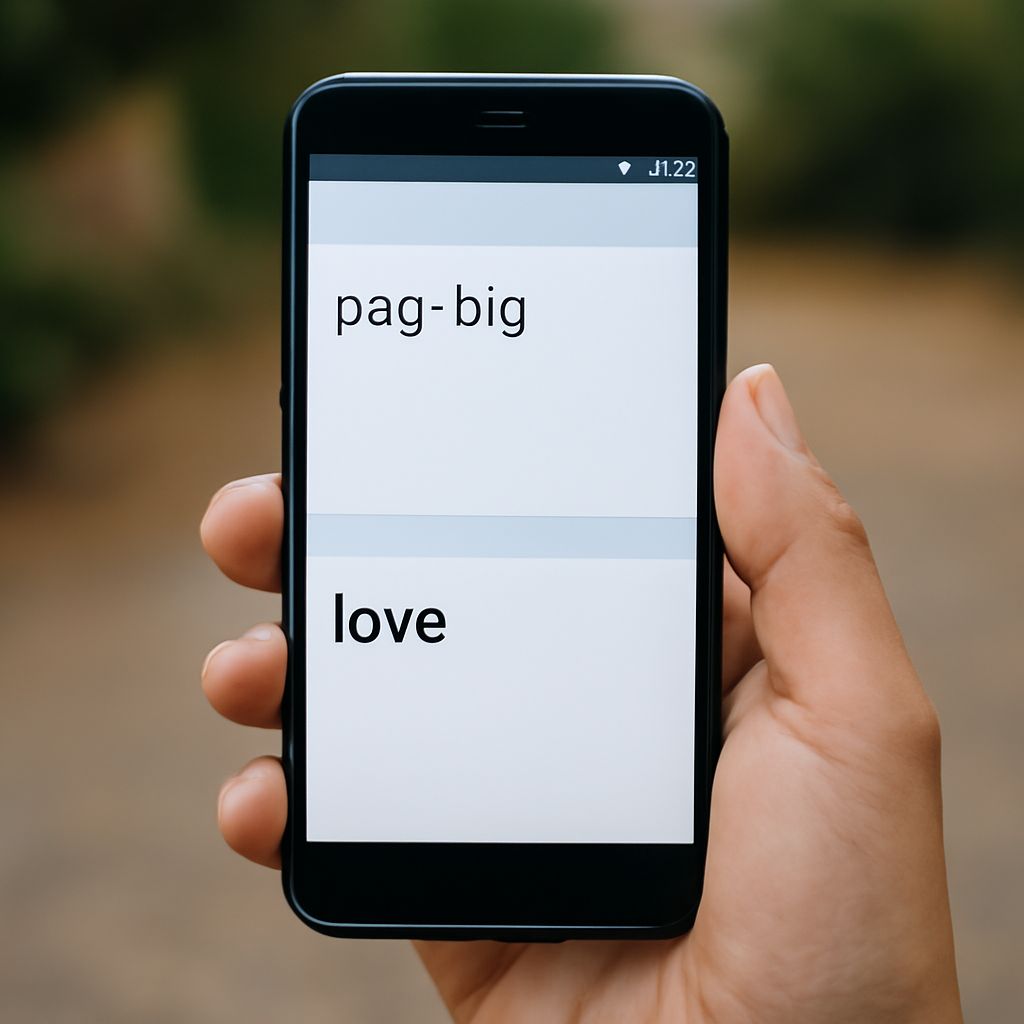
Swahili is known for its logical and regular grammar. Verbs are built up with prefixes and suffixes that show tense, mood, subject, and object. This makes it possible to pack a lot of meaning into a single word. For instance, “ninakupenda” means “I love you,” with each part of the word showing the subject, tense, and object.
Another special feature of the Swahili language and meaning is its vocabulary. While the base of the language is Bantu, a large number of words come from Arabic—especially for concepts related to government, religion, and trade. Words like kitabu (book), shule (school), and rafiki (friend) reveal the blended history of Swahili. There are also loanwords from English, Hindi, and Portuguese, reflecting ongoing cultural exchanges.
Pronunciation in Swahili is mostly straightforward, with simple vowel sounds and consistent consonants. Unlike English, spelling is phonetic; what you see is almost always what you say. This makes it easier for new learners to read and speak the language with accuracy.
Swahili in Everyday Life
Across East Africa, Swahili is much more than just a classroom subject—it’s the language of daily life. In cities like Dar es Salaam, Nairobi, and Kampala, Swahili fills markets, schools, media, and homes. Millions use it as a first or second language, making it a powerful tool for connection and understanding.
In Tanzania, Swahili serves as both the national and official language, used in government, education, and national media. Schoolchildren begin learning it from an early age, and it’s the language people use for news broadcasts, public notices, and national ceremonies. In Kenya, Swahili and English share official status, and most Kenyans use Swahili to communicate across ethnic groups, especially in public places or when travelling.
Swahili’s flexible nature helps it adapt to changing times. In music, film, and popular culture, artists blend traditional forms with modern slang, ensuring the language remains fresh. Radio stations, television shows, and social media all rely on Swahili to reach wide audiences. Even in areas where it’s not spoken as a first language, Swahili acts as a common ground, helping people from different backgrounds work together and share ideas.
In rural areas, people may speak local languages at home, but switch to Swahili for trade, travel, or when interacting with outsiders. This fluid use shows how the Swahili language and meaning extend beyond any one setting, supporting social and economic life for millions.
Cultural Impact of Swahili
The cultural reach of Swahili is immense. From proverbs and poetry to storytelling and song, the language is a living archive of East African heritage. Swahili literature, both oral and written, stretches back centuries and continues to evolve. Epic poems, known as utendi, and modern novels alike explore daily experience, history, love, and moral lessons in Swahili.
Music in Swahili, like taarab and bongo flava, has gained regional and global attention. These genres use the language to convey emotion, social critique, and celebration. Swahili is also the language of major festivals, rituals, and religious observances, offering a shared voice for communities from the coast to the interior.
Swahili’s influence extends to the global stage. The United Nations has adopted Swahili for official communication, and African Union meetings often include it. This recognition shows how the Swahili language and meaning have grown to symbolize unity and cultural pride. Swahili words and ideas have entered global pop culture through films, music, and literature, further spreading its impact.
By preserving oral traditions and supporting creative expression, Swahili keeps East African identity strong. The language’s role in education, media, and the arts helps unite people, bridging differences and giving voice to new generations.
Why Learn Swahili?
Learning Swahili opens doors to a rich and diverse world. For students, travellers, aid workers, and business professionals, speaking Swahili builds trust and understanding with local communities. The language is straightforward to learn, with regular grammar and pronunciation that make it accessible to beginners. In just a few months, a dedicated learner can master basic conversation and build real relationships.
Swahili is a gateway to careers in international relations, tourism, and African studies. Knowing the Swahili language and meaning can help people become more effective communicators, whether they’re working in health care, education, or journalism. Because Swahili is spoken by over 100 million people, its practical value keeps growing as Africa’s economies and global connections expand.
The benefits reach beyond travel or work. Studying Swahili offers a way to appreciate East African traditions, music, and worldviews. Even a basic understanding reveals how language shapes meaning and identity. This can inspire respect for other cultures and help break down barriers between people.
Learning Swahili is also a step toward preserving world language diversity. As more people engage with the Swahili language and meaning, they help keep its stories and knowledge alive for future generations. Whether for personal growth or professional goals, Swahili offers lasting rewards through learning and connection.