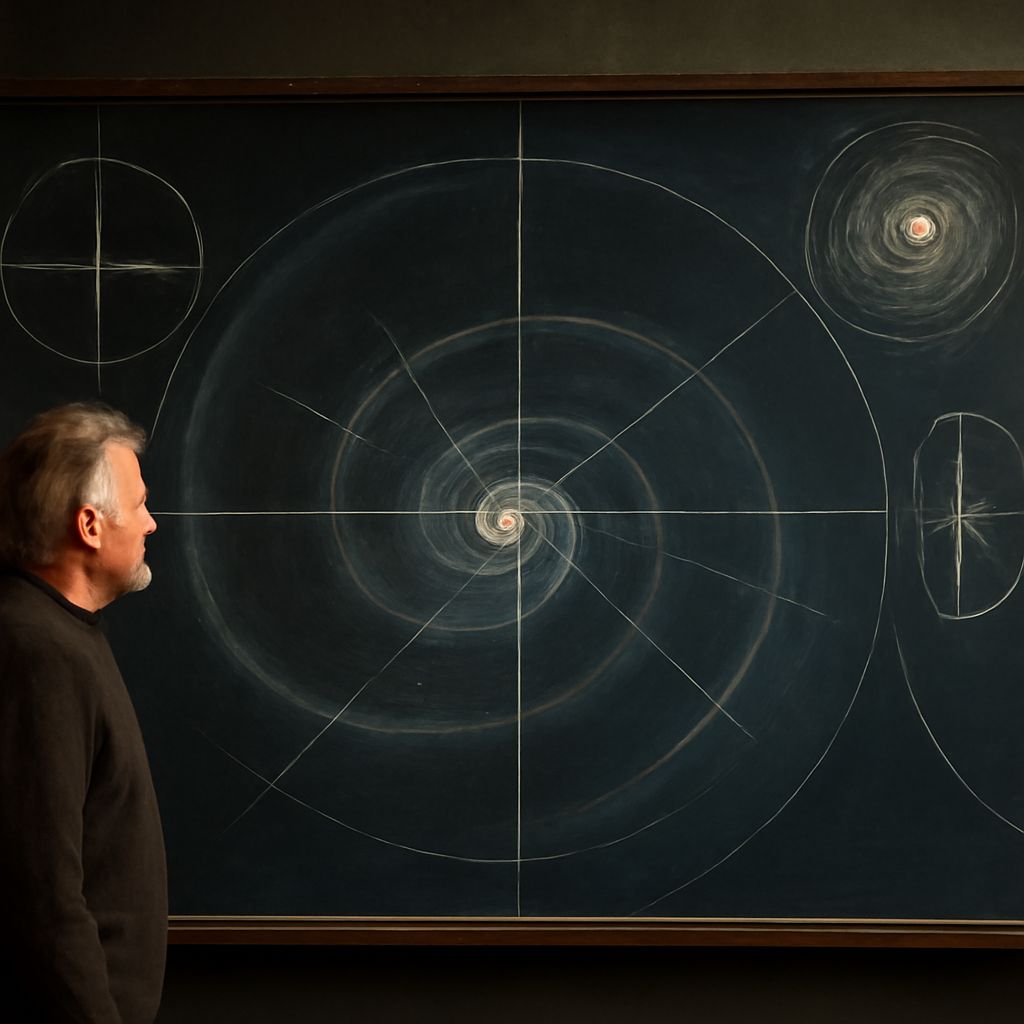
What is sacred geometry? This ancient concept has intrigued philosophers, architects, and artists for centuries. Sacred geometric shapes are believed to be the building blocks of all creation, influencing everything from the structure of the universe to the design of everyday objects. As we explore the mystical dimensions of sacred g, we discover its impact on art, architecture, and philosophy, reminding us of the interconnectedness of all things.
Introduction to Sacred Geometry
Sacred geometry refers to the study of geometric shapes that hold spiritual significance. These shapes are seen as a blueprint for life itself, as they are believed to embody the fundamental truths of the universe. The concept of sacred geometry is found in various cultures and religions, often symbolizing perfection, harmony, and balance.
From the intricate patterns of a snowflake to the spiral of a nautilus shell, sacred geometric shapes are ubiquitous in nature. They serve as a bridge between the physical and spiritual realms, offering a glimpse into the divine patterns that govern our world.
The Origins and History of Sacred Geometry
The origins of sacred geometry date back to ancient civilizations such as the Egyptians and Greeks. These societies revered geometric principles as essential aspects of their sacred traditions. For instance, the Egyptians used sacred g in the construction of the pyramids, which were built with precise mathematical alignments to reflect cosmic patterns.
Similarly, Greek philosophers like Pythagoras and Plato explored sacred geo as a way to understand the universe. They believed that geometric shapes represented the archetypal forms from which all things originate. Over time, these ideas spread across cultures, influencing religious and philosophical thought throughout history.
Key Sacred Geometric Shapes and Their Meanings
Sacred geometric shapes hold specific meanings, often linked to spiritual concepts. The circle, for instance, symbolizes unity and eternity, representing the infinite nature of the universe. The square, with its equal sides, conveys stability and balance, reflecting the material world’s order.
The triangle, a powerful symbol of strength, is associated with different trinities across cultures, such as the Christian Holy Trinity or the Hindu Trimurti. The Flower of Life, a complex pattern of overlapping circles, is one of the most recognized sacred geometric shapes, symbolizing creation and the interconnectedness of all life.
Applications of Sacred Geometry in Modern Times
In modern times, sacred geometry continues to inspire art and architecture. Many artists incorporate sacred geometric shapes into their work to evoke a sense of harmony and spiritual awareness. Similarly, architects use sacred geo principles to create structures that resonate with natural patterns, enhancing the aesthetic and spiritual experience of the space.
Sacred geometry also finds applications in technology and science. Researchers study these patterns to understand natural phenomena, while designers apply them to create more efficient and sustainable products. The influence of sacred g thus extends beyond its spiritual origins, impacting various aspects of contemporary life.
Conclusion: The Enduring Influence of Sacred Geo
Sacred geometry remains a profound and enduring influence on human thought and creativity. By exploring sacred geometric shapes, we gain insight into the underlying patterns that connect us to the universe. As we continue to uncover the mysteries of sacred g, we are reminded of the beauty and harmony inherent in the world around us.
Key takeaways: Sacred geometry offers a lens through which we can understand the interconnectedness of all things. Its influence spans art, architecture, and science, reflecting timeless truths about the universe’s structure. Embracing these patterns enriches our appreciation of both the tangible and spiritual dimensions of life.