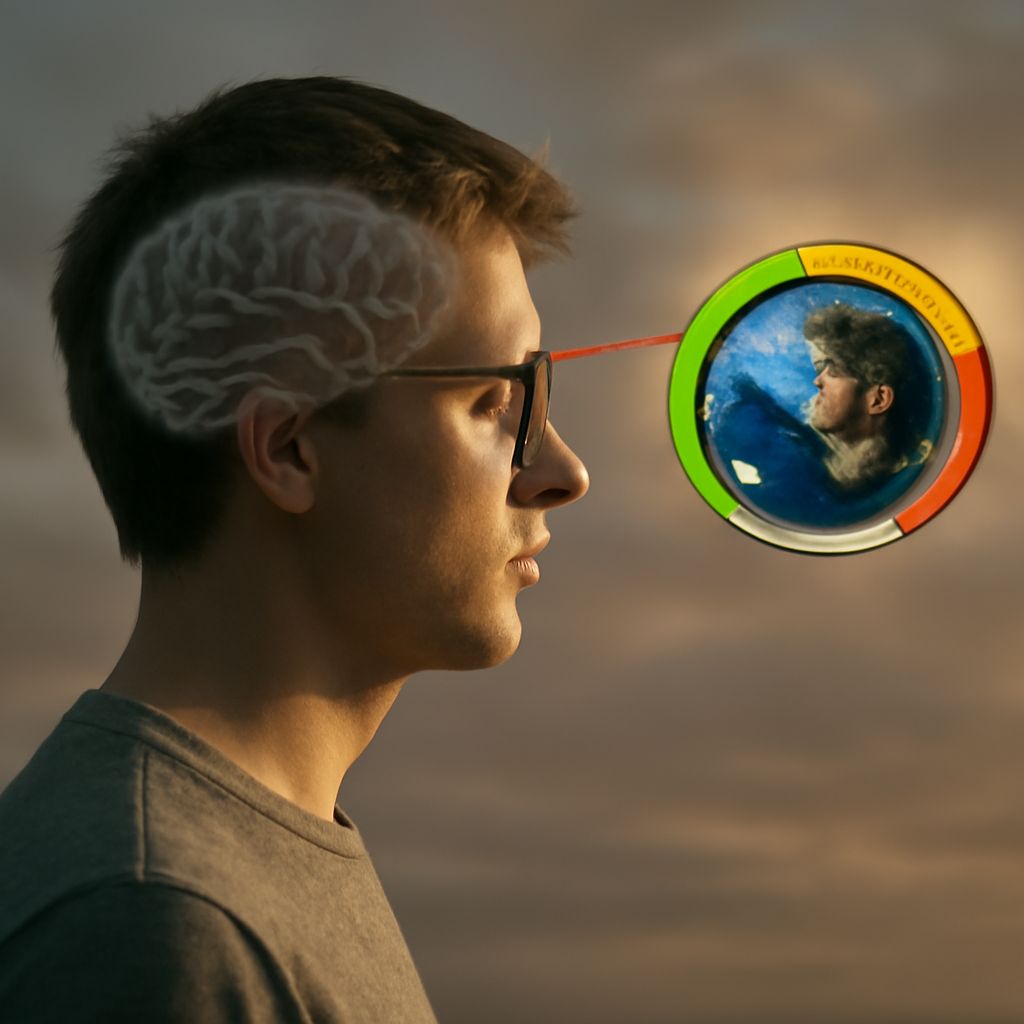
Every day, our minds are filled with countless thoughts. But what happens when these thoughts become disorganized? A disorganized thought process can significantly impact mental health, making it challenging to communicate effectively or make decisions. In this article, we will explore what is a thought disorder, its causes, symptoms, and potential treatments.
What is a Thought Disorder?
A thought disorder is a mental health condition where a person experiences disruptions in the way they think. This can lead to an inability to process information or express thoughts clearly. Disorganized thinking often manifests as difficulties in maintaining a coherent conversation or staying on topic. This symptom is commonly associated with mental health conditions like schizophrenia.
While everyone may occasionally struggle with expressing their thoughts, a persistent disorganized thought process can indicate a more serious condition. Understanding these disorders is crucial for providing appropriate support and treatment.
Symptoms of a Disorganized Thought Process
The symptoms of a disorganized thought process can vary widely but often include a few key characteristics. Individuals might experience difficulty organizing thoughts, leading to incoherent speech or writing. They may jump from one topic to another, making it hard for others to follow their conversation.
Other symptoms can include difficulty concentrating, memory problems, and trouble with problem-solving. These can make everyday activities challenging and impact one’s ability to function in social and occupational settings. Recognizing these signs early on can be crucial for diagnosis and treatment.
Causes and Risk Factors
Several factors can contribute to the development of a thought disorder. Genetics can play a significant role, as individuals with a family history of mental illness may be more susceptible. Environmental factors, such as trauma or high-stress situations, may also trigger a disorganized thought process.
Neurobiological factors, including chemical imbalances in the brain, are often involved. Substance abuse and certain medications can exacerbate symptoms. Understanding these risk factors can help identify individuals at greater risk for developing these conditions.
Diagnosis and Evaluation
Diagnosing a thought disorder involves comprehensive evaluation by mental health professionals. This typically includes a detailed medical history, psychological assessments, and interviews with the patient and possibly family members. These evaluations help to differentiate thought disorders from other mental health conditions with similar symptoms.
Clinicians may use specific criteria from the Diagnostic and Statistical Manual of Mental Disorders (DSM-5) to identify and categorize the disorder accurately. Early diagnosis is essential for effective treatment and management of the condition.
Treatment Options
Treatment for a disorganized thought process typically involves a combination of medication and psychotherapy. Antipsychotic medications can help manage symptoms by targeting neurotransmitter imbalances in the brain. These medications can alleviate severe thought disturbances and improve overall mental functioning.
Psychotherapy, particularly cognitive-behavioral therapy (CBT), can help individuals develop better coping mechanisms and improve their communication skills. Support groups and family therapy may also provide additional support and understanding.
It’s important to note that treatment plans should be individualized, as each person’s experience with a thought disorder is unique. Continuous evaluation and adjustment of treatment strategies are often necessary to achieve the best outcomes.
Key takeaways: Understanding what is a thought disorder is crucial for early intervention and treatment. Recognizing symptoms, knowing the causes, and seeking appropriate diagnosis and treatment can significantly improve the quality of life for those affected. Effective management often involves a tailored approach combining medication and therapy.