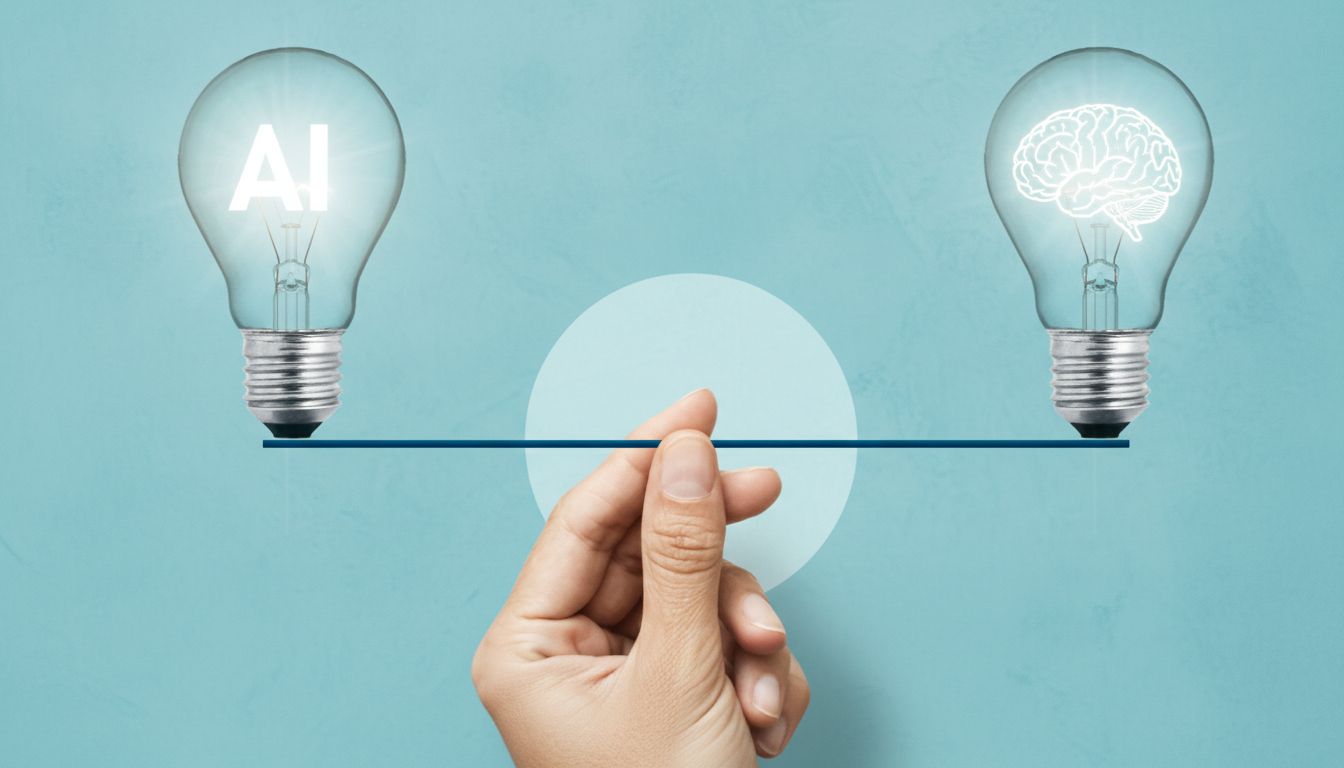
The concept of the technological singularity is a fascinating area of debate in the field of artificial intelligence. This idea suggests a point in the future where AI surpasses human intelligence, drastically impacting technology and society. Understanding the technological singularity is crucial to grasp how these advancements might shape our world, from everyday tasks to the fabric of our social structures.
Understanding the Technological Singularity
The technological singularity refers to a hypothetical moment when artificial intelligence reaches a level of superintelligence, exceeding human cognitive abilities. This leap could lead to rapid advancements, transforming industries and altering our way of life. Many experts believe that AI’s growing capabilities will soon reach this critical point, marking a new era in technological evolution.
It’s essential to differentiate between current AI applications and the potential of superintelligent AI. Presently, AI systems excel in specific tasks such as language translation, image recognition, and data analysis. However, true superintelligence implies an AI that can understand, learn, and apply knowledge across a broad range of activities, potentially reshaping every aspect of human existence.
The Role of AI in the Tech Singularity
AI plays a central role in the journey towards the singularity. As machine learning and neural networks become more sophisticated, AI systems are increasingly capable of self-improvement. This self-enhancement is key to achieving superintelligence, as it allows AI to improve its algorithms without human intervention.
AI’s current capabilities in natural language processing and decision-making demonstrate its potential. For instance, AI-driven personal assistants and autonomous vehicles provide glimpses into a future where machines perform complex tasks effortlessly. These advancements indicate the growing influence of AI, foreshadowing its pivotal role in reaching the technological singularity.
Potential Impacts on Society
The arrival of the technological singularity could have profound impacts on society. One major area of change would be the job market. As AI systems become capable of performing more tasks, the demand for human labor in certain industries might decline. This shift could lead to significant economic transformation, necessitating a reevaluation of employment structures and education systems.
Furthermore, superintelligent AI could revolutionize healthcare by diagnosing diseases with unprecedented accuracy and speed. It might also lead to breakthroughs in personalized medicine, tailoring treatments to individual genetic profiles. These changes hold the promise of extending human lifespan and improving quality of life.
Challenges and Ethical Considerations
While the potential benefits of the technological singularity are immense, there are also significant challenges and ethical concerns. The development of superintelligent AI poses questions about control and safety. Ensuring that AI systems act in humanity’s best interest requires robust frameworks and regulations.
Ethical issues also arise regarding privacy, data security, and decision-making autonomy. As AI systems become more integrated into daily life, safeguarding personal information and preventing misuse becomes crucial. Additionally, the potential for AI to make independent decisions necessitates careful deliberation about accountability and moral responsibility.
Future Predictions and Scenarios
The future of the technological singularity presents a wide array of possibilities. Some experts predict a utopian scenario where AI solves global challenges such as climate change and poverty. Others foresee a more dystopian outcome, where unchecked AI development leads to unforeseen consequences.
In the coming decades, the direction of AI development will significantly influence these outcomes. Collaborative efforts between governments, industries, and academic institutions are vital in guiding this evolution. By fostering open dialogue and ethical standards, society can navigate the complexities of the singularity, ensuring that AI advancements benefit humanity as a whole.