In today’s complex world, understanding the nuances of implicit and explicit biases is crucial. These biases shape our perceptions and decisions, often without our conscious awareness. By exploring implicit bias vs explicit bias, we can uncover the hidden prejudices that influence our behavior. Additionally, recognizing implicit prejudice allows us to address these biases effectively, leading to more equitable outcomes. This article delves into the nature of implicit bias, its comparison with explicit bias, and offers strategies for overcoming these hidden prejudices.
What is Implicit Bias?
Implicit bias refers to the attitudes or stereotypes that influence our understanding, actions, and decisions unconsciously. Unlike explicit biases, which are overt and consciously held, implicit biases operate below the level of conscious awareness. They are automatic and often conflict with our declared beliefs or values.
Implicit bias is pervasive, affecting everyone regardless of their background. These biases can manifest in various forms, such as racial prejudice, gender stereotypes, or assumptions about certain social groups. They shape our perceptions and interactions, leading to unintended discriminatory behavior.
Implicit Bias vs Explicit Bias
Understanding the difference between implicit bias vs explicit bias is essential. While implicit biases are subconscious, explicit biases are deliberate and conscious. Explicit bias occurs when individuals openly express prejudiced beliefs and attitudes. In contrast, implicit bias operates silently, influencing behavior without overt intent.
For instance, a person might explicitly reject stereotypes about a particular race while unconsciously favoring members of another race in social or professional settings. This disconnect highlights the complexity of human cognition and the need to address implicit biases to foster inclusivity.
The Science Behind Implicit Bias
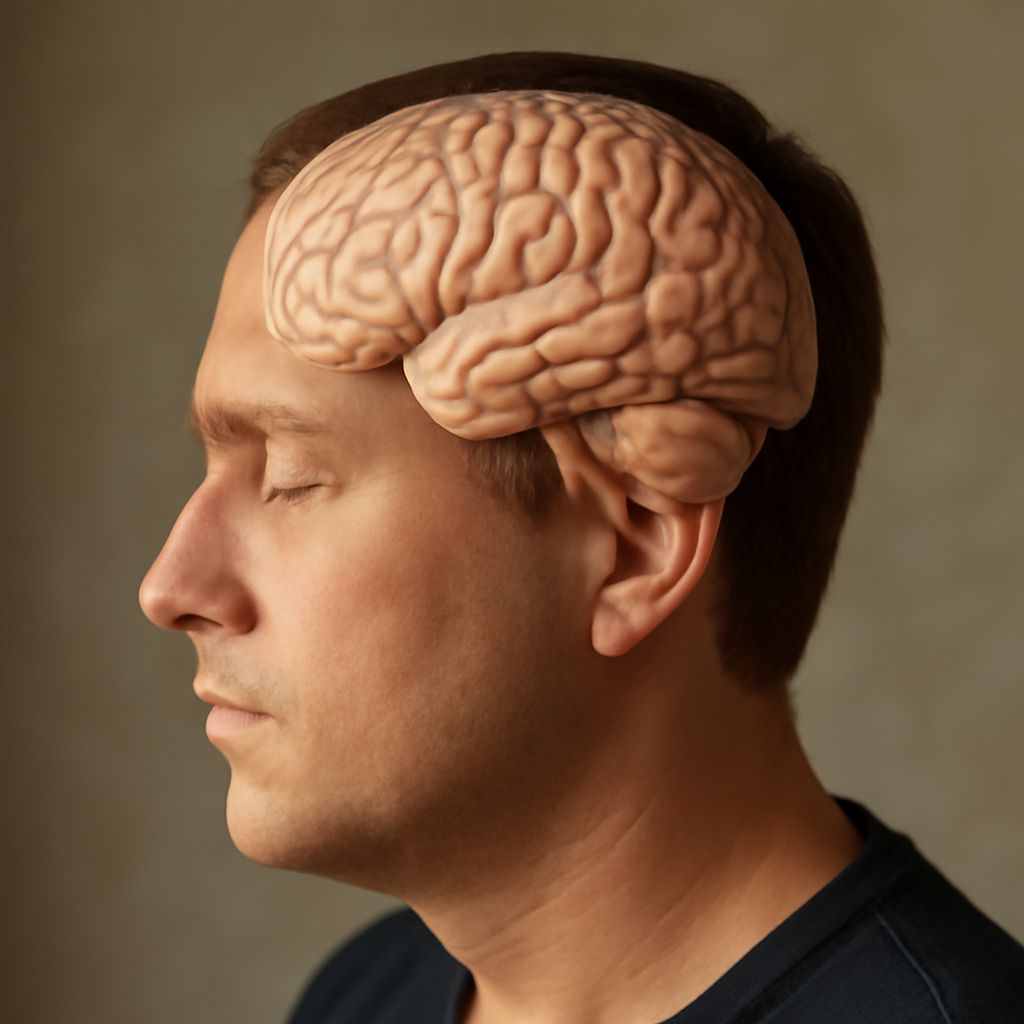
The roots of implicit bias lie in cognitive processes. The human brain tends to categorize information to simplify the world. This categorization can lead to unconscious associations between certain traits and social groups. Over time, these associations become ingrained, creating implicit biases that influence behavior.
Research using tools like the Implicit Association Test (IAT) reveals how implicit biases manifest. The test measures the strength of associations between concepts (e.g., race or gender) and evaluations (e.g., good or bad). These insights demonstrate that implicit prejudice can be detected and measured, providing a foundation for understanding its impact.
Recognizing Implicit Prejudice
Recognizing implicit prejudice requires self-reflection and awareness. It’s vital to acknowledge that everyone possesses these biases, and they don’t necessarily align with our conscious values. Training sessions and workshops often help individuals uncover their implicit biases, offering a pathway to addressing them.
Engaging with diverse perspectives and experiences can also reduce implicit prejudice. By broadening our understanding of different cultures and backgrounds, we challenge and reshape our subconscious assumptions, leading to more equitable behavior.
Overcoming Implicit Bias
Overcoming implicit bias is a gradual process. It begins with awareness and acknowledgment of one’s own biases. Education plays a pivotal role, as learning about different cultures and perspectives can reduce unconscious prejudices.
Organizations can implement policies and training programs aimed at mitigating implicit bias. Structured decision-making processes, for instance, help minimize the impact of bias in hiring and promotion. Encouraging open dialogue about biases in the workplace fosters an inclusive environment.
Personal accountability is also crucial. By continually questioning and reflecting on our biases, we can work towards reducing their impact. This ongoing effort requires dedication but leads to meaningful change, promoting fairness and justice in society.