Learning Spanish can often feel like a puzzle, especially when it comes to understanding verb conjugations. Among the many challenges, the preterite tense stands out. It serves a critical role in storytelling and describing past actions. For those aiming to master Spanish, knowing how to conjugate the verb “beber” in the preterite tense is essential. In this article, we will dive deep into the conjugation of beber and explore ways to avoid common pitfalls. Along the way, we’ll provide practical examples to solidify your understanding.
Introduction to the Preterite Tense
The preterite tense is used in Spanish to describe actions that were completed in the past. It’s a key aspect of Spanish grammar, enabling speakers to talk about events that occurred at specific times. Understanding this tense is vital, as it allows you to tell stories, describe past experiences, and share historical information. Unlike the imperfect tense, which describes ongoing or habitual past actions, the preterite focuses on actions with clear beginnings and endings.
Conjugate Beber in the Preterite
To effectively communicate in Spanish, mastering the conjugation of beber in the preterite tense is crucial. Here is how you conjugate beber in the preterite:
- Yo bebí
- Tú bebiste
- Él/Ella/Usted bebió
- Nosotros/Nosotras bebimos
- Vosotros/Vosotras bebisteis
- Ellos/Ellas/Ustedes bebieron
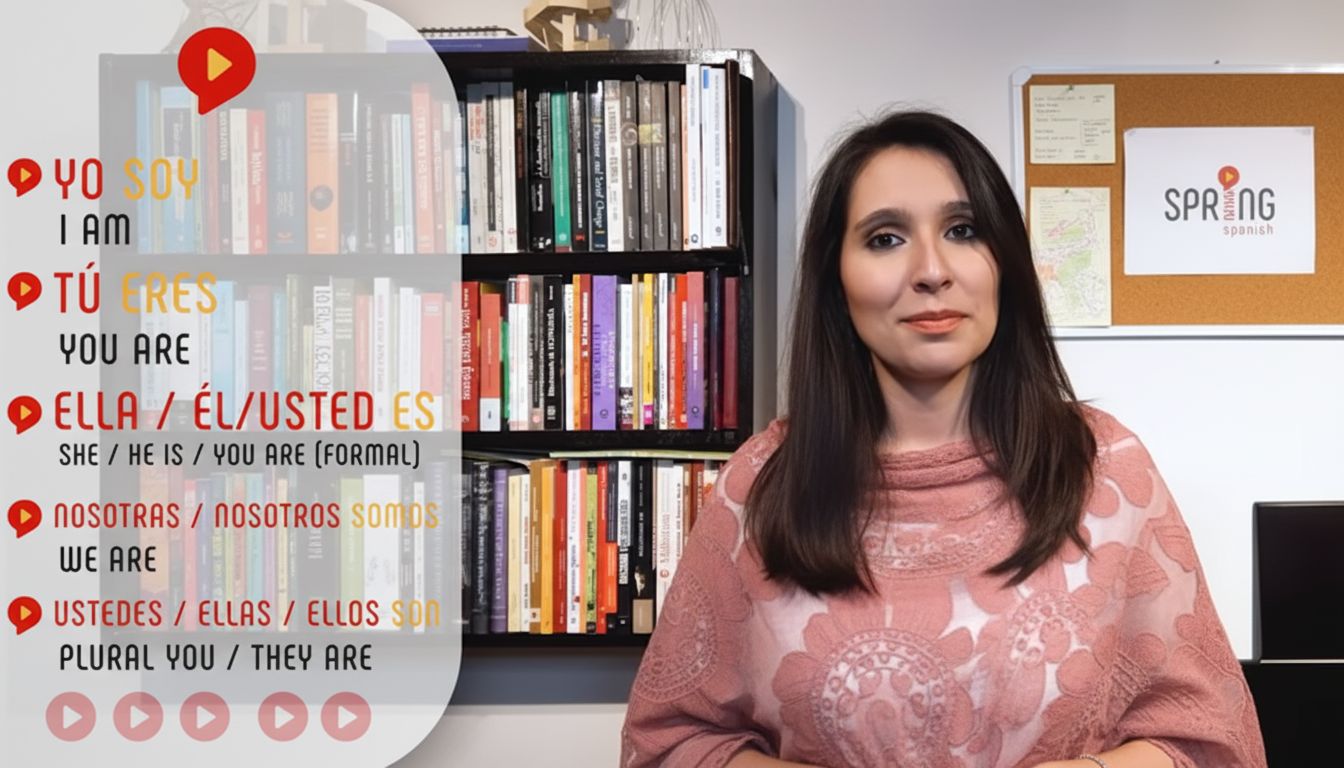
These forms are straightforward and follow a consistent pattern, making it easier for learners to grasp and use them in conversations.
Understanding the Conjugation of Beber
Recognizing patterns within the conjugation of beber helps in memorization and application. The verb “beber” belongs to regular -er verbs, and its preterite endings are typical of this group. By focusing on the endings—í, iste, ió, imos, isteis, ieron—you can apply the same pattern to other regular -er verbs, making your learning process more efficient.
Understanding the conjugation of beber in this context not only aids in speaking and writing but also enhances your ability to comprehend Spanish literature and conversations where past events are discussed.
Common Mistakes with Beber Preterite
Even with a solid grasp of conjugation rules, mistakes can happen. One common error is mixing up the preterite with the imperfect tense. Remember, the preterite is used for actions that were completed, while the imperfect is for ongoing past actions. Another issue is incorrect pronunciation, which can hinder communication. Practicing aloud and listening to native speakers can help mitigate these errors.
Confusing beber with similar-sounding verbs or neglecting accent marks are other pitfalls. Accent placement is crucial in Spanish, as it can change the meaning and tense of the word.
Practical Examples and Exercises
To ensure a firm grasp on the conjugation of beber, practice is key. Here are some examples:
- Yesterday, I drank water after running. – Ayer, yo bebí agua después de correr.
- Did you drink all the juice? – ¿Bebiste todo el jugo?
- She drank coffee in the morning. – Ella bebió café por la mañana.
For further practice, try conjugating other regular -er verbs like “comer” and compare them with beber. Creating flashcards or engaging in practice conversations with a friend can also enhance retention and understanding.
Conclusion
Mastering the beber preterite conjugation is a significant step in your Spanish language journey. By understanding the patterns, avoiding common mistakes, and consistently practicing, you can improve your proficiency and confidence. Remember, language learning is a gradual process that thrives on practice and exposure. Keep engaging with the language in various contexts, and soon, conjugating verbs like beber will become second nature.