Navigating borderline personality disorder relationships can be both rewarding and challenging. If you are dating someone with BPD, or borderline personality disorder, you may notice that emotions can run high and communication may feel intense. At the same time, these relationships can offer deep connection and opportunities for growth.
Understanding how to deal with someone with BPD is essential for a healthy partnership. With patience, empathy, and the right tools, couples can build strong foundations. This article covers tips for maintaining healthy boundaries, effective communication, and seeking support when dating someone with borderline personality disorder.
Understanding BPD in Relationships
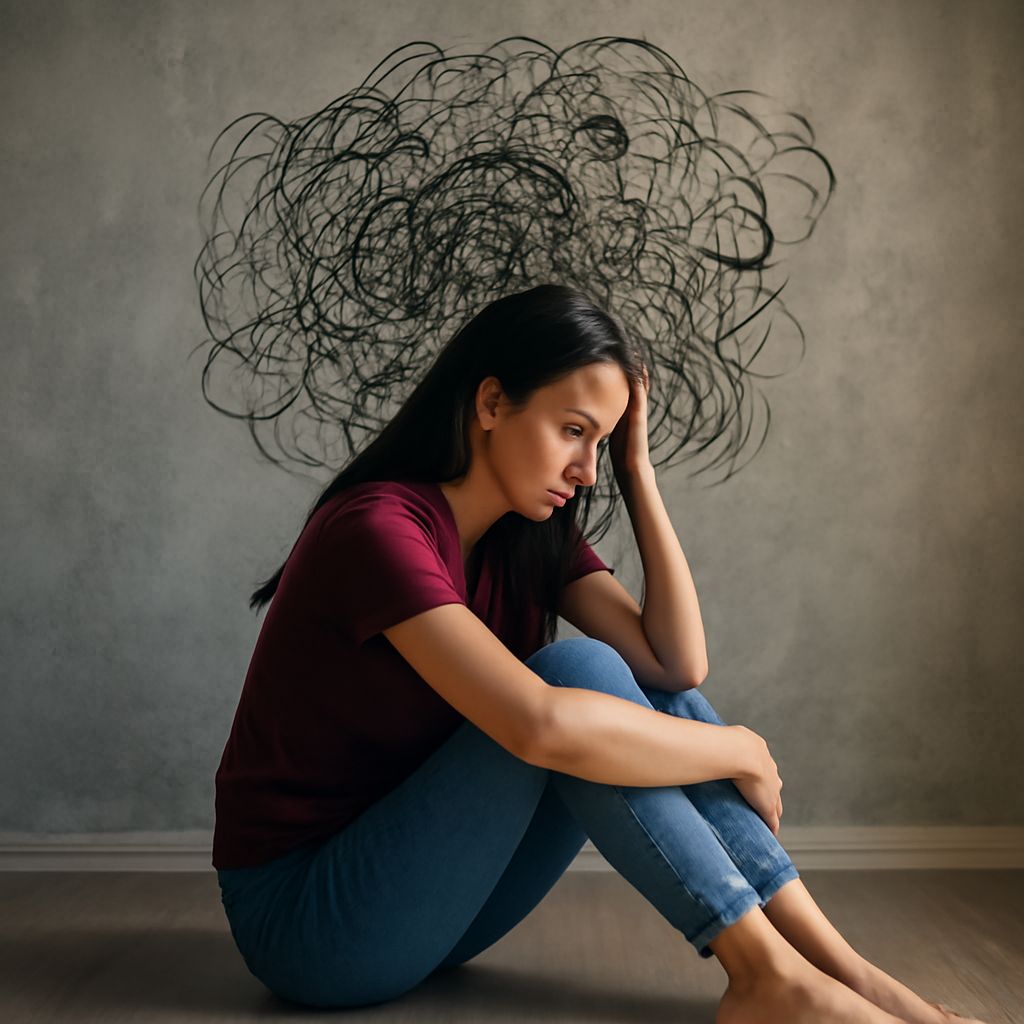
Borderline personality disorder (BPD) is a mental health condition marked by intense emotions, unstable moods, and difficulties with self-image and relationships. Individuals with BPD may experience rapid mood shifts, fear of abandonment, and challenges managing impulses. These symptoms can deeply affect borderline personality disorder relationships.
When dating someone with BPD, it’s common to encounter passionate highs and emotional lows. People with BPD often crave deep intimacy but can also fear being left alone. This push-pull dynamic may sometimes create confusion or insecurity for both partners. Recognizing these patterns is the first step in building understanding and empathy within your relationship.
It’s important to remember that BPD is not a choice or a character flaw. The underlying causes often involve genetics, brain chemistry, and past trauma. Knowing the facts about BPD helps both partners approach challenges from a place of knowledge, compassion, and acceptance.
Developing this understanding empowers couples to face obstacles together. By seeing symptoms as part of the disorder and not personal attacks, partners can respond more calmly and constructively. This mindset is crucial for building trust and reducing misunderstandings in borderline personality disorder relationships.
Challenges of Dating Someone with BPD
Dating someone with BPD presents unique hurdles that require patience and resilience. Emotional sensitivity is often heightened, which can lead to frequent arguments or misunderstandings. Small issues may quickly escalate into larger conflicts, making it crucial to address problems early.
One common challenge is emotional dysregulation. Partners may witness sudden anger, sadness, or anxiety, sometimes triggered by events that seem minor. This unpredictability can be exhausting, especially if you are unsure of how to respond. Some individuals with BPD may also struggle with feelings of emptiness, which can affect their sense of self-worth and the relationship.
Fear of abandonment is another major issue. Partners with BPD may become anxious about being left, leading to clingy behavior or, alternatively, pushing loved ones away preemptively. This can create a cycle of conflict and reconciliation that leaves both people feeling drained.
Despite these difficulties, many couples find ways to thrive. By acknowledging the challenges and working together, it’s possible to overcome obstacles and foster a supportive, loving partnership. Understanding these common pitfalls is vital when dating someone with borderline personality disorder.
Effective Communication Strategies
Good communication is the foundation of all healthy relationships, but it’s especially important in borderline personality disorder relationships. Misunderstandings can quickly spiral, so clear and empathetic dialogue is key.
Active listening is vital. Make eye contact, avoid interrupting, and repeat back what you’ve heard to show understanding. Validating your partner’s emotions—even if you don’t agree—can lower defensiveness and foster trust. For example, you might say, “I see that you’re upset, and I want to understand how you’re feeling.”
Using “I” statements helps reduce blame. Instead of saying, “You always get angry,” try, “I feel concerned when arguments happen.” Nonverbal cues, such as gentle tone and body language, also play a role in how messages are received. Remaining calm and patient, even during heated moments, can defuse tension.
Remember that intense emotions may not always reflect the situation at hand. Stepping back to clarify what each person needs can prevent misunderstandings. Practicing these communication skills will strengthen your connection when dating someone with BPD and help both partners feel seen and heard.
Setting Boundaries and Self-Care
Healthy boundaries protect both partners in borderline personality disorder relationships. It’s essential to know and communicate your limits clearly. Setting boundaries can prevent resentment and burnout, making it easier to handle moments of crisis or conflict.
Boundaries might include agreeing on time apart, how to argue respectfully, or when to seek outside help. Be consistent and gentle when explaining your boundaries. For example, you could say, “I need a short break to calm down during arguments, but I promise to return and talk things through.”
Self-care is equally important. Supporting someone with BPD can be demanding, so make sure to prioritize your own physical and emotional needs. Engage in activities that recharge you, whether it’s exercise, socializing, or mindfulness practices.
Encouraging your partner to practice self-care and respect boundaries sets a positive example. When both people feel secure and respected, it strengthens the overall relationship. This balance is critical when dating someone with borderline personality disorder, as it helps prevent codependency and emotional exhaustion.
How to Deal with Someone with BPD
Learning how to deal with someone with BPD can transform your relationship. Patience and flexibility are essential. Focus on separating the person from the symptoms. This means understanding that emotional outbursts are often a result of the disorder, not a personal attack.
Avoid escalating arguments. If you notice rising tension, calmly suggest a pause and revisit the topic later. Offer reassurance during moments of insecurity or distress, but also maintain your boundaries. This approach prevents you from becoming overwhelmed while still supporting your partner.
Encourage seeking treatment, such as therapy or support groups, which can help both partners learn coping strategies. Dialectical behavior therapy (DBT) is particularly effective for BPD, teaching skills for managing emotions and relationships.
Above all, be patient with progress. Healing from borderline personality disorder takes time and setbacks are normal. Celebrate small victories—like improved communication or fewer conflicts—and remember that every step forward matters when learning how to deal with someone with BPD.
Seeking Support and Professional Help
Borderline personality disorder relationships benefit greatly from outside support. Therapy—both individual and couples—offers a safe space to discuss struggles and learn new skills. Qualified mental health professionals can provide guidance tailored to your unique situation.
Look for therapists experienced in BPD treatment. Group therapy and peer support groups are also valuable, offering understanding from others who face similar challenges. These resources can help normalize your experience and reduce isolation.
Friends and family can provide emotional support but may need guidance on how best to help. Share information about BPD to increase their understanding and set boundaries about what you do or do not want to discuss with them.
Seeking help is not a sign of weakness; it’s a sign of commitment to your relationship and your own well-being. By reaching out, both partners can access the tools needed to navigate the ups and downs of dating someone with BPD.
Conclusion: Building Healthy Relationships
Dating someone with BPD requires understanding, patience, and proactive communication. By learning how to deal with someone with BPD, setting healthy boundaries, and seeking support, couples can overcome common challenges. With empathy and effort from both partners, borderline personality disorder relationships can be both stable and deeply rewarding.
Key takeaways: Compassion, boundaries, and support are essential ingredients for thriving partnerships with someone diagnosed with BPD. By approaching each challenge as a team, couples can build resilient, loving relationships that stand the test of time.