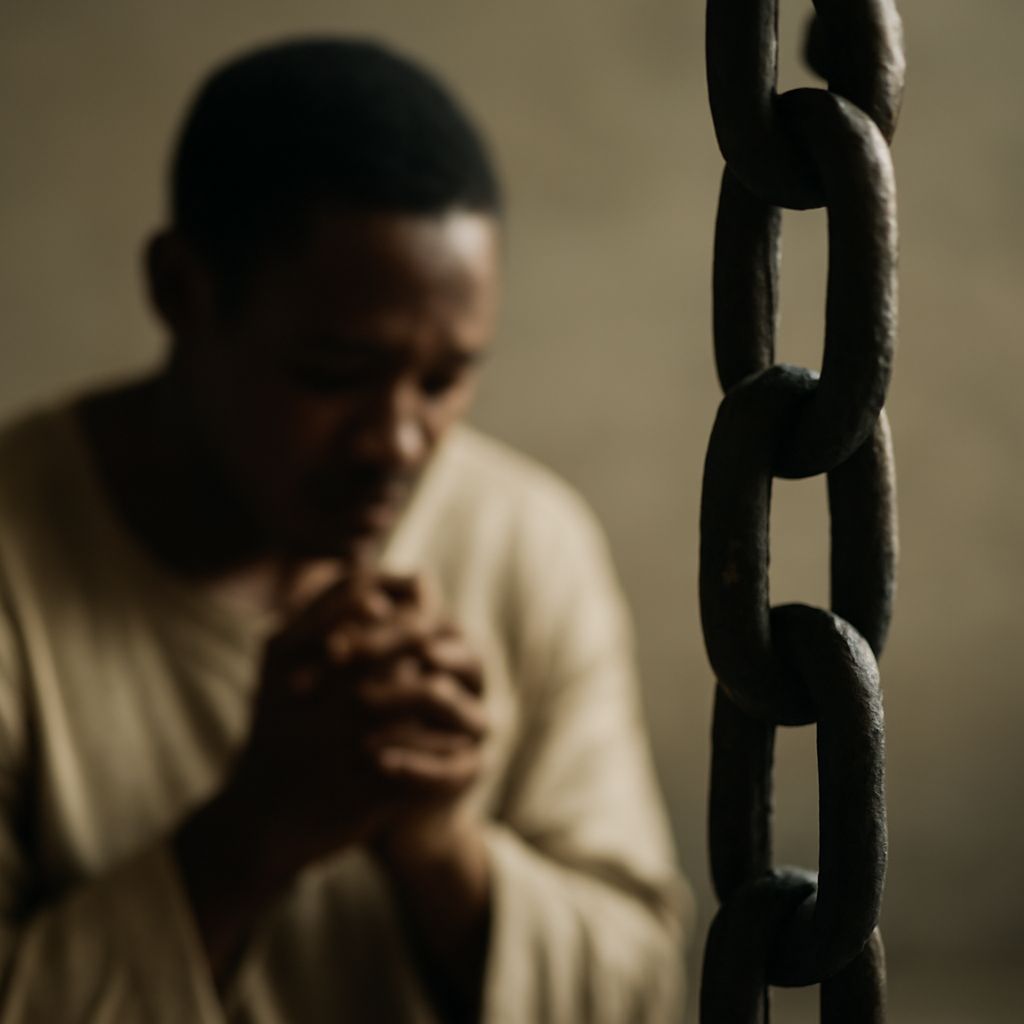
Questions about what does the Bible say about slavery have challenged philosophers, believers, and critics for centuries. The concept of biblical slavery is not only a matter of history, but also shapes present-day discussions about morality, justice, and how religious texts are interpreted. Understanding how slavery was viewed and regulated in biblical times helps us reflect on faith, ethics, and humanity.
As we explore biblical slavery, we will look at its historical setting, examine what both the Old and New Testaments teach, and consider how these passages are debated and understood today. This exploration can deepen our insights into the complexities of scripture and its place within the broader context of philosophy and religion.
Introduction to Biblical Slavery
Slavery in the Bible is a layered and often misunderstood topic. Unlike the chattel slavery seen in recent centuries, biblical slavery covered a range of circumstances and rules. For many readers, the presence of slavery in sacred texts raises moral questions, which is why careful study is essential.
In ancient times, slavery was a common social structure found across many civilizations. The biblical texts reflect this reality, offering guidance and laws that applied to the people of their day. However, these passages are not simple endorsements of the practice. Instead, they reflect the norms and legal systems of ancient Israel and the Greco-Roman world.
To understand what does the Bible say about slavery, one must look beyond modern ideas and consider how biblical slavery functioned within its own culture and context. This helps us avoid misinterpretation and appreciate how scripture addressed people’s lives in their specific time and place.
Historical Context of Slavery in the Bible
Slavery in the ancient world looked very different from what most people picture today. In the societies where the Bible was written, slavery was part of the economic and social fabric. People became slaves for various reasons: war, debt, poverty, or as punishment for crime. Some were born into slavery, while others sold themselves or their children to survive.
The experience of biblical slavery depended greatly on an individual’s status and the prevailing customs. In Israel, enslaved people could be foreigners, prisoners of war, or even fellow Hebrews. However, Hebrew slaves were often treated differently from foreign ones, sometimes being released after a set number of years or during the Jubilee year, according to the Law of Moses.
It is important to note that while slavery was accepted, there were also laws intended to limit abuses. Regulations concerning treatment, rights, and release established a structure that, in some respects, offered protections. Nevertheless, enslaved individuals were still considered property and lacked many freedoms.
The New Testament was written during the Roman Empire, when slavery was widespread and central to daily life. Enslaved people served in many roles, from household servants to skilled artisans and even educators. This broad use of slave labor forms the backdrop for passages addressing slavery in early Christian communities.
Old Testament Teachings on Slavery
The Old Testament includes a number of laws and references to slavery, reflecting the realities of ancient Israelite society. The book of Exodus, for example, gives clear instructions about the treatment of slaves. Hebrew slaves were to serve six years and be freed in the seventh, unless they chose to remain with their master (Exodus 21:2-6). This system offered a kind of debt servitude, which was different from lifelong slavery.
Foreign slaves, however, could be owned permanently. Leviticus 25:44-46 states that Israelites may purchase slaves from surrounding nations and pass them down as property to their children. Yet, there were also rules against harsh treatment. If a master injured a slave, the slave could gain their freedom (Exodus 21:26-27). These passages show a mix of control and restraint within biblical slavery.
Partial echoes of these themes appear in laws about the Sabbath and Jubilee, where rest and release are celebrated. The call to remember Israel’s own experience as slaves in Egypt is repeated throughout the Pentateuch, fostering some empathy and care for the vulnerable. Still, the institution of slavery was never entirely questioned or condemned in the Hebrew Bible, which complicates ethical judgments today.
When wondering what does the Bible say about slavery, it becomes clear that while the Old Testament regulated and sometimes softened the harshest aspects, it did not seek to abolish the system. Instead, these texts accepted slavery as a given, but set boundaries intended to limit cruelty and excess.
New Testament Perspectives on Slavery
The New Testament was written in a time when slavery was deeply woven into society. Paul’s letters often address slaves and masters, instructing them on how to behave within the Christian community. In Ephesians 6:5-9 and Colossians 3:22-25, slaves are told to obey their earthly masters sincerely, as if serving Christ. Masters, in turn, are reminded to treat their slaves justly, knowing that God is their ultimate Master.
One of the most discussed passages is the letter to Philemon. Paul appeals to Philemon to receive back his runaway slave, Onesimus, not as a slave but as a beloved brother in Christ. While Paul does not explicitly call for the abolition of slavery, he encourages a relationship based on Christian love and mutual respect. Some interpret this as a seed that would eventually undermine the institution.
Elsewhere, early Christian writers acknowledged the difficulty of changing social systems overnight. Enslaved believers were advised to accept their status but, if possible, to seek freedom (1 Corinthians 7:21). The emphasis shifts from overturning the institution to transforming relationships and attitudes within it.
The teachings of Jesus, though not directly addressing biblical slavery, called for love, mercy, and the dignity of all people. Many later interpreters see these teachings as ultimately incompatible with the subjugation of others, even if such a view took centuries to gain traction among Christians.
Ethical and Philosophical Debates
The presence of biblical slavery in sacred texts has sparked intense debate among philosophers and theologians. Some critics argue that the Bible’s acceptance of slavery is incompatible with modern ethics and human rights. They point to passages that seem to endorse or regulate the institution rather than condemn it outright.
Others look deeper into the context and argue that the biblical approach was a step forward for its time. The laws that limited abuses, protected certain rights, and encouraged fair treatment are seen by some as progressive, given the harsh realities of the ancient world. Still, questions remain about why the Bible did not go further in rejecting slavery outright.
From a philosophical perspective, biblical slavery is often discussed in terms of moral development and the limits of cultural context. Some interpret the Bible as presenting ideals of compassion and justice that gradually unfold through history. This view holds that later Christian teachings, inspired by the spirit of the gospel, challenged slavery and led to its eventual abolition.
Yet, the issue of what does the Bible say about slavery remains a subject of contention. Different readings, whether literal, historical, or ethical, produce a range of responses, reflecting the ongoing dialogue between scripture and changing concepts of justice and human dignity.
Modern Interpretations and Controversies
Today, biblical slavery is one of the most sensitive and controversial topics in debates about the Bible’s authority. Some critics use the presence of slavery in scripture as evidence against its moral relevance, while defenders often stress the importance of historical context and the gradual evolution of religious thought.
Many Christian theologians interpret the biblical texts through the lens of broader gospel principles—such as love, freedom, and the inherent worth of all people. They argue that the arc of scripture bends toward justice, even if certain practices, like slavery, were tolerated for a time due to social realities.
Some faith traditions have formally repudiated all forms of slavery, citing Christian values as the basis for abolition. The story of biblical slavery has even inspired movements for freedom and human rights, with passages reinterpreted to support liberation and equality. However, cases of selective reading or misapplication have, at times, been used to justify oppression, showing the importance of responsible interpretation.
The ongoing debate about what does the Bible say about slavery demonstrates how ancient texts continue to shape contemporary morality. Discussions around biblical slavery push communities to wrestle honestly with both the limitations and the possibilities within their sacred writings.
Conclusion: Lessons from Biblical Slavery
Reflecting on biblical slavery invites us to consider the relationship between scripture, morality, and historical change. While some passages regulated and even accepted slavery, others planted seeds for compassion and justice that would bear fruit over time. The challenge remains to apply these lessons with wisdom and care.
Ultimately, examining what the Bible says about slavery deepens our understanding of faith’s role in shaping ethical progress. The legacy of biblical slavery urges us to seek justice, honor human dignity, and approach sacred texts with both humility and courage.