Mastering Spanish verbs is essential for any learner aiming to achieve fluency. Among these, understanding the caer preterite conjugation is crucial. This guide delves into how the preterite tense works with verbs like caer, providing clear explanations to enhance your grasp of Spanish grammar. Let’s explore the nuances of caer preterite conjugation and learn how to use it effectively in your conversations.
Understanding the Preterite Tense
The preterite tense is used in Spanish to describe actions that have been completed in the past. It is one of the most commonly used past tenses and is essential for telling stories or recounting events. Unlike the imperfect tense, which indicates ongoing or habitual past actions, the preterite specifically marks actions that occurred at a specific point in time.
Mastering the preterite tense involves understanding its patterns and irregularities. Regular verbs follow predictable endings, but several verbs, including caer, exhibit irregularities that need to be memorized. This makes it vital to focus on both the rules and exceptions to use this tense accurately.
Introduction to Caer Preterite
In Spanish, caer translates to “to fall.” This verb is irregular in the preterite tense, which means it does not follow the standard conjugation patterns. Therefore, the caer preterite requires special attention. Understanding how to use this verb in the past is essential for describing events where something or someone fell or dropped.
The caer preterite conjugation helps convey specific incidents, such as “I fell” or “the glass fell,” making it a vital part of everyday conversation. Without mastering this conjugation, you might struggle to express past events involving falling accurately.
Caer Preterite Conjugation Explained
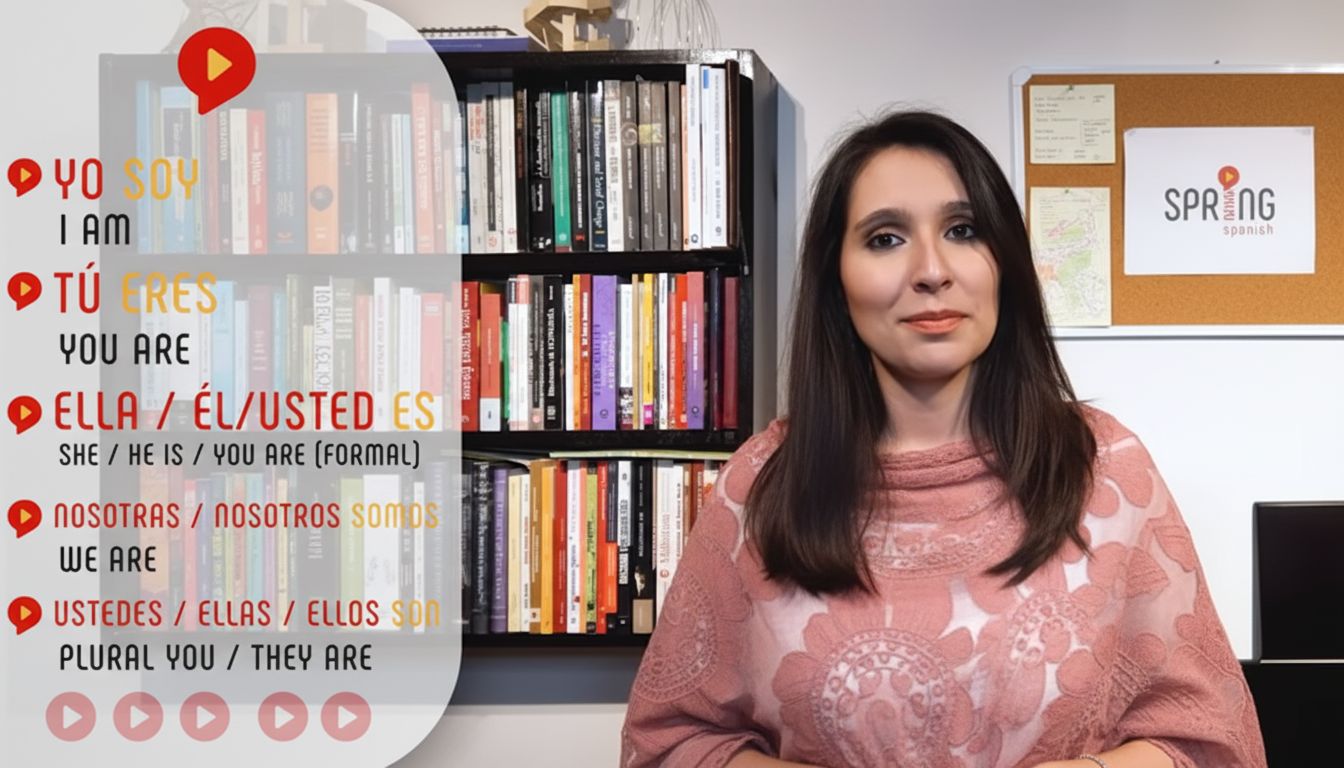
The caer preterite conjugation involves specific changes that differ from regular verbs. Here’s a breakdown of how it is conjugated:
- Yo caí – I fell
- Tú caíste – You fell (informal)
- Él/Ella/Usted cayó – He/She/You fell (formal)
- Nosotros caímos – We fell
- Vosotros caísteis – You all fell (informal, Spain)
- Ellos/Ellas/Ustedes cayeron – They/You all fell
Notice the accent marks on the endings -í and -yó, which are essential for correct pronunciation and meaning. The change from -i to -y in the third person forms is a key feature of this irregular conjugation.
Common Mistakes with Caer Preterite
Several common mistakes occur when learning the caer preterite. One frequent error is forgetting the accent marks, which can lead to misunderstandings in communication. For example, confusing caí with cai can alter the meaning entirely.
Another mistake is misapplying regular verb endings to caer. Since caer is irregular, relying on regular patterns will result in incorrect conjugations. The shift from -i to -y in the third person forms is often missed, leading to errors in speaking and writing.
To avoid these, practice regularly and focus on the irregular aspects of caer. Familiarizing yourself with the correct forms will help prevent these mistakes.
Practice Exercises for Caer Preterite
Practice is crucial for mastering the caer preterite conjugation. Here are some exercises to help you get comfortable with its use:
- Conjugate caer in the preterite tense for the following sentence: “Yesterday, I fell in the park.” (Ayer, yo ___ en el parque.)
- Choose the correct form: “The books ______ off the shelf.” (cayeron / cayó)
- Fill in the blank: “We all fell during the race.” (Nosotros ___ durante la carrera.)
- Convert the following sentence into Spanish: “They fell off the bike.” (Ellos ___ de la bicicleta.)
- Write a short paragraph describing an incident where something fell, using all forms of caer in the preterite.
By regularly practicing these exercises, you’ll gain confidence in using the caer preterite, enhancing both your written and spoken Spanish skills.
Overall, understanding and using the caer preterite can greatly improve your ability to communicate past events in Spanish. By focusing on its irregular patterns, avoiding common mistakes, and practicing consistently, you’ll find yourself using this verb with ease and precision in your conversations.