Silicon Valley stands as a symbol of innovation and technological progress. From its origins as a modest region in Northern California, it has grown into the heart of the world’s technology industry. If you’ve ever wondered, “Why is it called Silicon Valley?” or “What is Silicon Valley known for?”, the answers reveal a story of invention, entrepreneurship, and global transformation.
This article explores the beginnings of Silicon Valley, the reason behind its famous name, and how it became synonymous with breakthroughs in technology, especially artificial intelligence (AI). We’ll also look at its influence on the world and its future in shaping tomorrow’s innovations.
The Origin of Silicon Valley
Decades before it earned its iconic name, this region south of San Francisco was mainly known for its orchards and quiet suburban neighborhoods. In the early 20th century, the area around Palo Alto and San Jose was dotted with small farms and fruit-packing businesses. However, a unique combination of geography, academic institutions, and forward-thinking leaders set the stage for something extraordinary.
Stanford University played a crucial role. In the 1930s, Frederick Terman, a professor of electrical engineering at Stanford, encouraged students to start their own technology companies. Terman’s mentorship led to the founding of famous companies like Hewlett-Packard (HP) in a Palo Alto garage. This “startup spirit” would soon come to define the region’s identity.
World War II and the Cold War brought a surge of government investment in defense and electronics. The area became a hub for radio, radar, and semiconductor research. The seeds of a technology revolution were being planted, with collaboration between university researchers and local businesses accelerating progress.
By the 1960s, the region’s transformation was underway. New companies focusing on electronics, semiconductors, and computing sprang up, attracting talent and investors. The blend of academic excellence, entrepreneurial energy, and industry support became the foundation of what the world would soon call Silicon Valley.
Why Is It Called Silicon Valley?
The name “Silicon Valley” was first used in the early 1970s. Journalist Don Hoefler is credited with coining the term in a series of articles for Electronic News in 1971. The name reflected the region’s growing reputation for producing silicon chips, or semiconductors, which are vital for computers and all modern electronics.
Silicon is a chemical element found in sand, and it is the main material used to create integrated circuits, or microchips. These chips are the brains of computers, smartphones, and thousands of other devices. Companies like Fairchild Semiconductor and Intel pioneered the use of silicon in their products, making the Bay Area the center of chip manufacturing and design.
Not only was the word “silicon” a nod to the material at the heart of the digital age, but pairing it with “valley” described the region’s geography—a long stretch of land nestled between mountains. Thus, the term captured both its physical and technological identity.
Over time, “Silicon Valley” became shorthand for innovation, risk-taking, and technological leadership. Even as the area’s focus expanded beyond chip-making into software, internet, and AI, the name stuck, symbolizing a place where new ideas are born and where technology shapes everyday life.
What Is Silicon Valley Known For?
Silicon Valley is famous for nurturing companies that have changed the world. It is the birthplace of giants like Apple, Google, Facebook, and Tesla. The area is recognized not just for its tech companies, but also for its unique culture of entrepreneurship, rapid innovation, and willingness to take risks.
Startups and venture capital are at the heart of what Silicon Valley is known for. The region’s venture capital firms help fuel new ideas, backing thousands of startups with funding, mentorship, and support. This constant flow of new businesses keeps the ecosystem vibrant and continually evolving.
Another defining feature is the concentration of talent. Some of the brightest minds in engineering, design, and business flock to the valley from across the globe. The collaboration between universities like Stanford and Berkeley and industry leaders keeps research and development at the highest level.
Silicon Valley is also known for setting trends that ripple far beyond California. From personal computers to smartphones, cloud computing to artificial intelligence, many of the world’s most disruptive technologies have roots in this region. The ideas born here often become the standard everywhere else.
The Role of AI in Silicon Valley
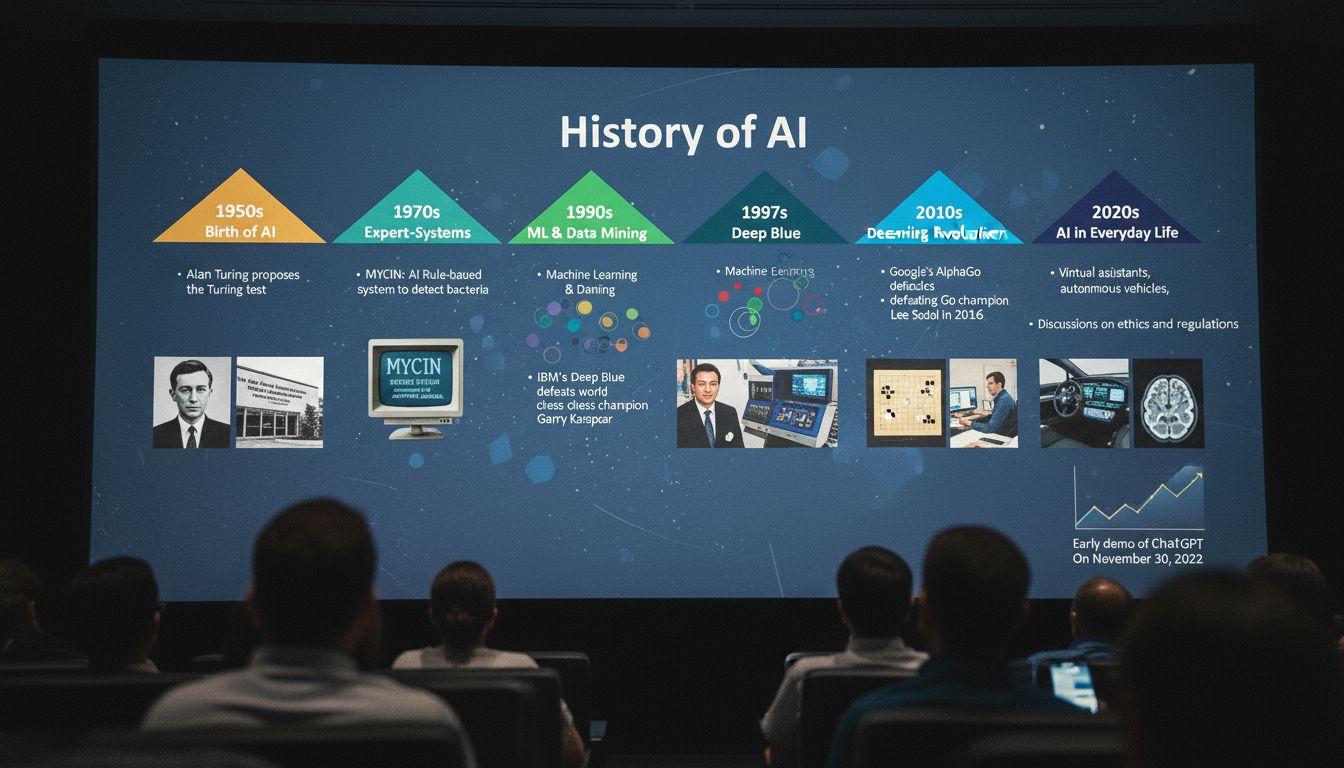
Artificial intelligence has become a cornerstone of Silicon Valley’s newest wave of innovation. Companies and researchers in the region have pushed the limits of AI, from voice assistants and self-driving cars to advanced data analysis and robotics.
Major tech firms, including Google, Apple, and Meta, invest huge resources in developing smarter algorithms and machine learning systems. Dozens of AI-focused startups call the valley home, attracting talent and investment from around the world. These companies are building tools that automate tasks, improve personalization, and enable smarter decision-making across industries.
What is Silicon Valley known for today? Increasingly, it’s for leading breakthroughs in AI. The interplay between academia and industry drives the development of new AI models, with Stanford’s AI lab and other local institutions playing a central role in both foundational research and real-world applications.
AI’s impact in Silicon Valley also extends to ethical debates, regulatory challenges, and the design of responsible technology. As innovators here shape the future of artificial intelligence, they grapple with questions about bias, privacy, and the future of work, setting standards that others follow around the globe.
Silicon Valley’s Global Influence
Silicon Valley’s ideas and products are used by billions worldwide. What started as a cluster of electronics companies in California now influences how people everywhere live, work, and communicate. Mobile devices, social networks, and cloud services built in the valley connect the planet in real time.
This region has inspired countless “Silicon” clones, from Silicon Alley in New York to Silicon Wadi in Israel and Bengaluru’s “Silicon Plateau.” Each aims to replicate the valley’s recipe for innovation, blending talent, investment, and collaboration. The original, however, remains unmatched in scale and influence.
Why is it called Silicon Valley even today? The name continues to represent a global standard for excellence and originality. CEOs, engineers, and investors from around the world visit or move to the valley to learn from its culture, hoping to bring some of its magic home.
Silicon Valley also shapes global conversations about technology’s role in society. Issues like data privacy, cybersecurity, and digital ethics are debated here before spreading to legislatures and boardrooms everywhere. The valley’s influence goes beyond business; it sets social and ethical norms for the digital age.
The Future of Silicon Valley
As technology evolves, so does Silicon Valley. The region faces new challenges: competition from other tech hubs, rising costs of living, and debates over the social impact of rapid change. Yet its ability to adapt and reinvent itself may be its greatest strength.
The next generation of innovation is likely to come from advances in AI, biotechnology, quantum computing, and clean energy. Investment in these fields shows that Silicon Valley is not slowing down. Many experts believe the valley will remain a leader, but its future may be shaped by a more global and diverse ecosystem.
Remote work and digital collaboration are also shifting the landscape. While the physical “valley” remains important, the network of innovators and entrepreneurs now stretches worldwide. Still, the unique mix of resources, talent, and ambition found here is hard to match elsewhere.
What is Silicon Valley known for tomorrow? It could be pioneering the next AI breakthroughs, solving climate challenges, or inventing platforms we have yet to imagine. Regardless of what the future holds, the spirit that made “Silicon Valley” a household name will continue to drive technology forward for years to come.