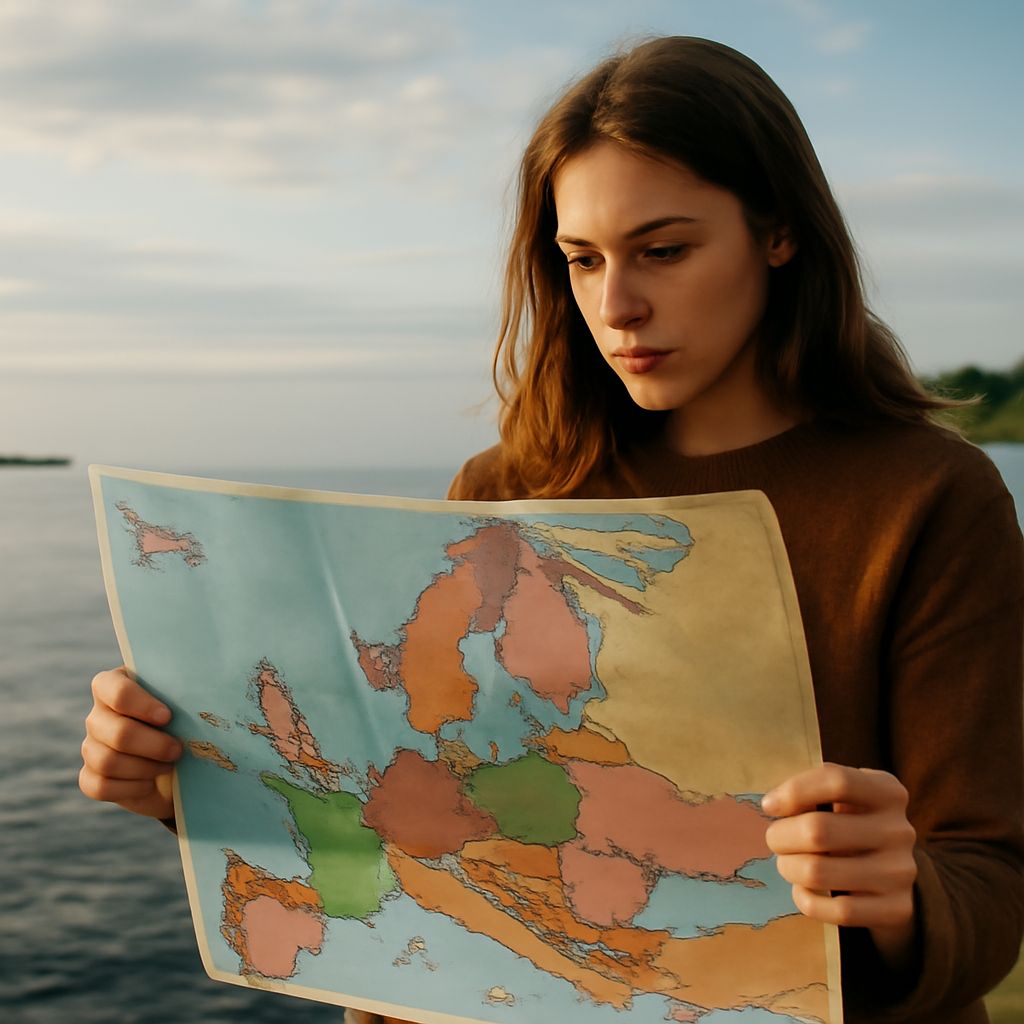
Exploring the world through map quiz Europe games is more than just a fun pastime—it’s an engaging way to build knowledge and boost cognitive skills. When you take a blank map of Europe quiz, you’re not only testing what you know, but also challenging your memory, attention to detail, and problem-solving abilities. These quizzes create an interactive bridge between casual play and deep learning, making geography accessible to everyone.
Whether you’re a student preparing for exams, a traveler planning your next adventure, or simply someone looking to keep your mind sharp, these geography quizzes offer something for all ages. Let’s dive into why map quiz Europe challenges matter, how they benefit your thinking, and how you can start mastering European geography with practical tips and resources.
Why Map Quiz Europe Challenges Matter
Map quiz Europe challenges are more than just tests—they’re opportunities to connect with the continent’s diverse cultures, languages, and landscapes. By regularly working through geography questions and identifying countries or capitals, you foster a deeper appreciation for the interconnected history and modern relationships across Europe. This broader understanding can even inform perspectives on current events or travel planning.
There’s also a strong educational value. Teachers and students use blank map of Europe quiz activities to reinforce classroom lessons and build spatial reasoning. By actively recalling each nation’s location, learners move from passive reading to active engagement. This style of learning improves retention and makes it easier to recall details later, whether for a test or a trivia night.
Moreover, these quizzes foster global awareness. In a world that’s increasingly connected, knowing the map of Europe and the position of its countries can help individuals understand news stories, international relations, and migration patterns. Engaging with these quizzes also encourages curiosity about different languages, economies, and traditions within the continent.
Finally, map quiz Europe games are fun. The satisfaction of correctly pinning down a tricky country on a blank map or finally memorizing the Baltic states can be rewarding. The challenge pushes you to do better each time, which can build confidence and a love for lifelong learning.
How a Blank Map of Europe Quiz Sharpens Your Mind
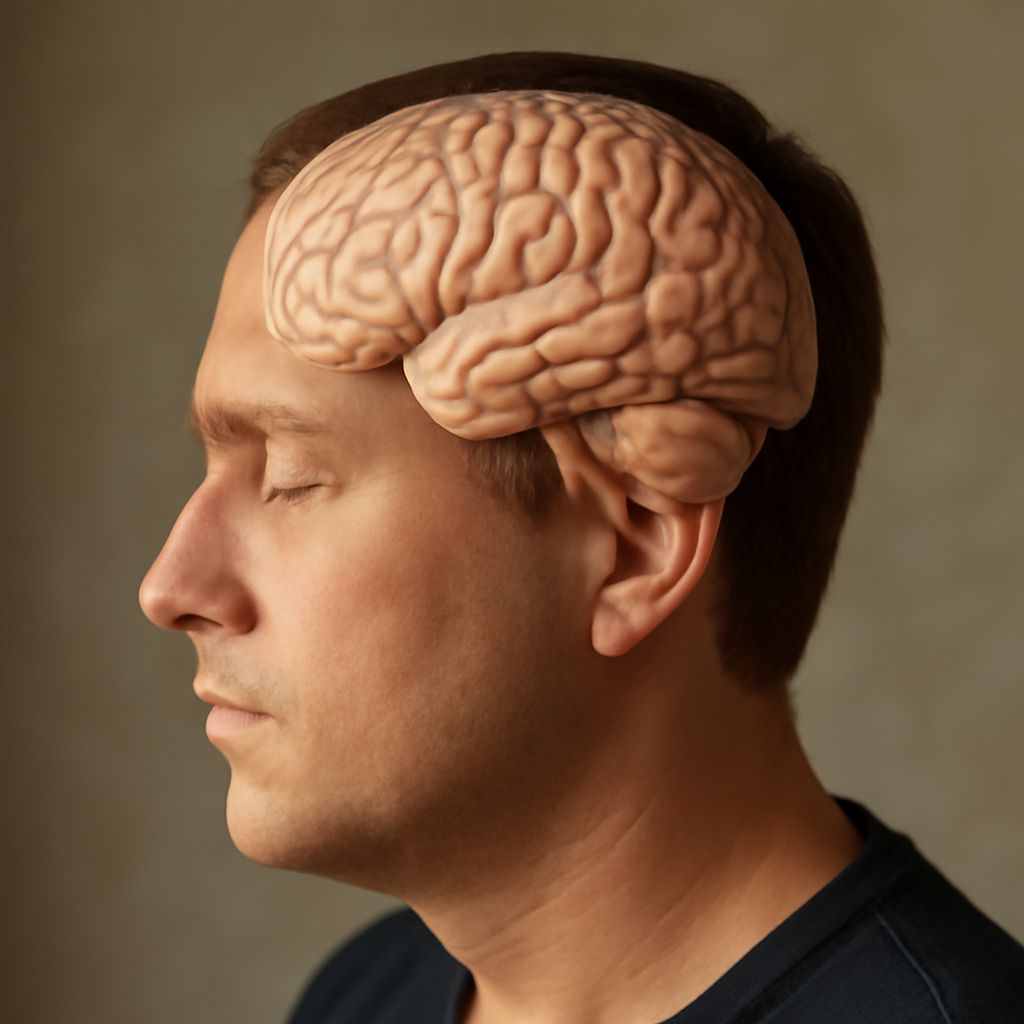
Completing a blank map of Europe quiz exercises several parts of the brain at once. First, it strengthens your memory by requiring you to actively retrieve information—like the names and placements of countries—rather than simply recognizing them. This active recall is a proven way to boost long-term retention.
Spatial reasoning is another key skill that these quizzes develop. Navigating a map and picturing borders or neighboring countries forces your mind to work visually and logically. Skills like these aren’t just useful for geography—they help with tasks in math, science, and everyday problem-solving.
Frequent practice with map quiz Europe activities can also improve attention and focus. Since you must pay close attention to detail and resist distractions, these quizzes serve as a great mental workout. Over time, you’ll notice an increased ability to concentrate during other tasks as well, such as studying or reading.
Beyond academic benefits, map quizzes promote flexible thinking. As you encounter unfamiliar regions, your brain learns to approach problems from different angles and adapt strategies. This flexibility is helpful in many areas, from learning languages to tackling new challenges at work or school.
Strategies to Succeed at Map Quiz Europe
Success in map quiz Europe games doesn’t come from luck—it’s the result of smart strategies and consistent practice. One effective method is to break the continent into smaller regions. Start by focusing on areas like Scandinavia, the Balkans, or Western Europe. Mastering a section at a time can make the full map less overwhelming and help you build confidence with each milestone.
Mnemonics are another powerful tool. Creating memorable phrases, acronyms, or stories can help you quickly recall country positions or relationships. For example, remembering “BENELUX” for Belgium, Netherlands, and Luxembourg groups these neighbors together in your mind.
Repetition is essential. Don’t just take one blank map of Europe quiz and move on—repeat the activity regularly, mixing up quiz formats or increasing the challenge each time. The more frequently you practice, the quicker you’ll recall information and recognize patterns in country shapes or locations.
It helps to connect what you learn to real-world contexts. Try linking each country with a notable fact, capital city, or recent news event. This makes your knowledge more meaningful and easier to retrieve. Discussing what you’ve learned with friends, joining online forums, or participating in geography games can also reinforce your memory and make the process more social and engaging.
Best Resources for Blank Map of Europe Quiz Fans
There’s a wide variety of resources available for anyone wanting to improve at map quiz Europe challenges. Online interactive quizzes are among the most popular tools. Websites like Seterra, Sporcle, and Lizard Point offer customizable quizzes, practice modes, and even leaderboards to track your progress. These platforms vary the format—timed challenges, drag-and-drop maps, or labeling exercises—so you can find what works best for your learning style.
Printable blank map of Europe quiz sheets are another tried-and-true option. These printouts let you practice without screens and can be used in classrooms, study groups, or family game nights. Many educational sites provide free downloads, and you can choose maps that focus on countries, capitals, or physical features like rivers and mountains.
For those who enjoy friendly competition, look for mobile apps featuring map quiz Europe games. Many offer daily challenges, streak rewards, and adaptive difficulty. Some apps also include flashcard modes, making it easy to squeeze in a quick practice session anywhere. Consider exploring European geography books, atlases, and board games for offline learning and family activities.
Combining several resources can deepen your understanding. For example, after finishing an online blank map of Europe quiz, review a printed map to see where you missed questions. Supplement this by reading about European history or current events, linking each country’s position to its role in the wider world. This multi-faceted approach turns simple quizzes into a comprehensive learning journey.
Making Map Quiz Europe a Habit
Building consistent habits is the key to mastering the blank map of Europe quiz. Instead of cramming all at once, set aside a few minutes each day or week for practice. Regular short sessions are more effective for long-term retention than occasional marathon quizzes. Try setting reminders on your phone or adding quiz time to your daily routine, much like brushing your teeth or reading.
Challenge yourself to beat your previous scores or to recall countries you found difficult last time. Track your progress by noting which regions or facts you consistently miss and adjust your practice accordingly. Share your achievements with friends or family to build a sense of accountability and add some friendly competition.
You can also turn map quiz Europe practice into a social activity. Organize quiz nights with classmates or family members, or join online geography groups and forums where you can compete against others and share tips. Working together can make learning more enjoyable and inspire you to keep improving.
As you make these quizzes a regular part of your routine, you’ll notice not just better geography skills, but also improvements in memory, attention, and problem-solving. Over time, what once seemed like a jumble of borders becomes a vivid mental map, empowering you to engage with the world in new and meaningful ways.