In the realm of medical terminology, understanding complex conditions such as neurogenic claudication can be challenging yet necessary. This condition significantly impacts mobility and well-being, often leading to a compromised quality of life. By exploring the neurogenic claudication definition and identifying common symptoms, we can better appreciate the intricacies of this ailment. Additionally, delving into the causes, risk factors, and treatment options provides a comprehensive view of how neural claudication affects individuals. Beyond the clinical perspective, examining the philosophical implications offers a deeper understanding of its impact on human existence and ethics.
What is Neurogenic Claudication?
Neurogenic claudication is a medical condition characterized by pain and discomfort in the lower back and legs. This occurs due to nerve compression within the spinal canal, often associated with spinal stenosis. As a result, individuals may experience debilitating symptoms that hinder their ability to walk or stand for prolonged periods. The impact on mobility and well-being is profound, as it affects daily activities and overall quality of life.
Neurogenic Claudication Definition
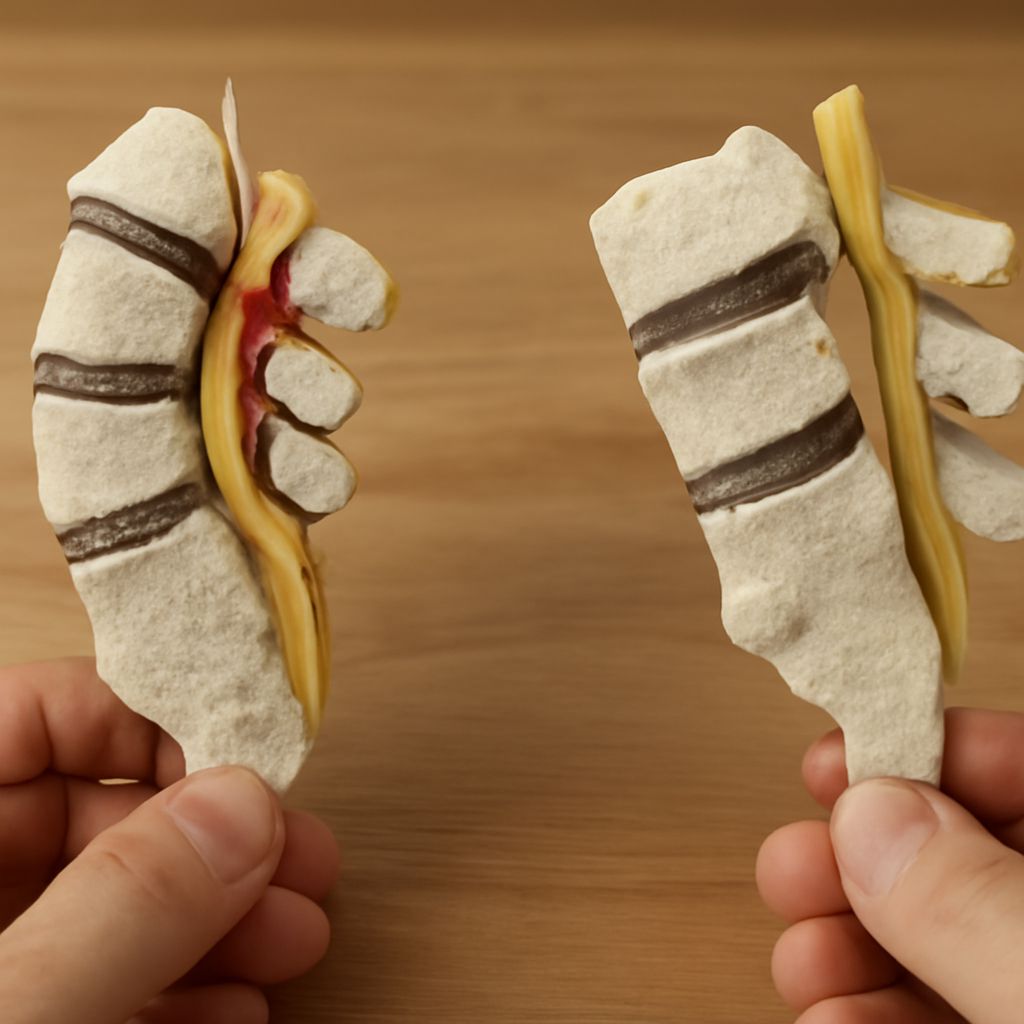
The neurogenic claudication definition encompasses the narrowing of the spinal canal, leading to pressure on the spinal nerves. This pressure results in pain, weakness, and a tingling sensation in the lower extremities. Often misunderstood or confused with other forms of claudication, neurogenic claudication specifically relates to nerve-related issues as opposed to vascular causes. Understanding this definition is crucial in differentiating it from similar conditions and ensuring appropriate treatment.
Common Symptoms of Neurogenic Claudication
Symptoms of neurogenic claudication include pain and cramping in the legs, often exacerbated by standing or walking. Affected individuals may also experience numbness, weakness, and a burning sensation in the lower back and legs. These symptoms typically improve with rest or when bending forward, a common relief position for those with this condition. Recognizing these symptoms is essential for timely diagnosis and intervention.
Causes and Risk Factors
The primary cause of neurogenic claudication is spinal stenosis, a condition where the spinal canal narrows and compresses the nerves. This can result from degenerative changes in the spine, such as herniated discs, osteoarthritis, or thickening ligaments. Risk factors include aging, previous spinal injuries, and congenital spine abnormalities. Awareness of these causes and risk factors can aid in early detection and prevention strategies.
Diagnosis and Assessment
Diagnosing neurogenic claudication involves a thorough medical history and physical examination. Imaging studies, such as MRI or CT scans, are often used to confirm the presence of spinal stenosis and nerve compression. These assessments help differentiate neurogenic claudication from other conditions with similar symptoms. Accurate diagnosis is vital to determine the appropriate course of treatment and management.
Treatment Options
Treatment for neurogenic claudication may include both non-surgical and surgical options. Non-surgical treatments often involve physical therapy, medications to reduce inflammation and pain, and lifestyle modifications to alleviate symptoms. For severe cases, surgical intervention may be necessary to decompress the affected nerves. Understanding the range of treatment options empowers patients to make informed decisions about their care and well-being.
Philosophical Implications of Neurogenic Claudication
Beyond its physical manifestations, neurogenic claudication poses philosophical questions about the nature of suffering and the ethical responsibilities of medical practitioners. The condition challenges our understanding of autonomy, as it limits an individual’s independence and freedom. Furthermore, it raises ethical considerations about equitable access to treatment and care. Reflecting on these implications encourages a broader dialogue about the intersection of health, philosophy, and ethics in modern medicine.