Amidst the growing quest for natural remedies, piercing for migraines has emerged as a surprising contender. This intriguing method, also referred to as headache piercing, challenges traditional approaches to pain management. As more individuals explore ear piercing for migraines, it raises profound questions about pain relief, ethical implications, and the deeper meanings of healing. In this exploration, we delve into the philosophical and scientific dimensions of migraine piercing to discern its true efficacy and ethical standing.
Introduction to Migraine Piercing
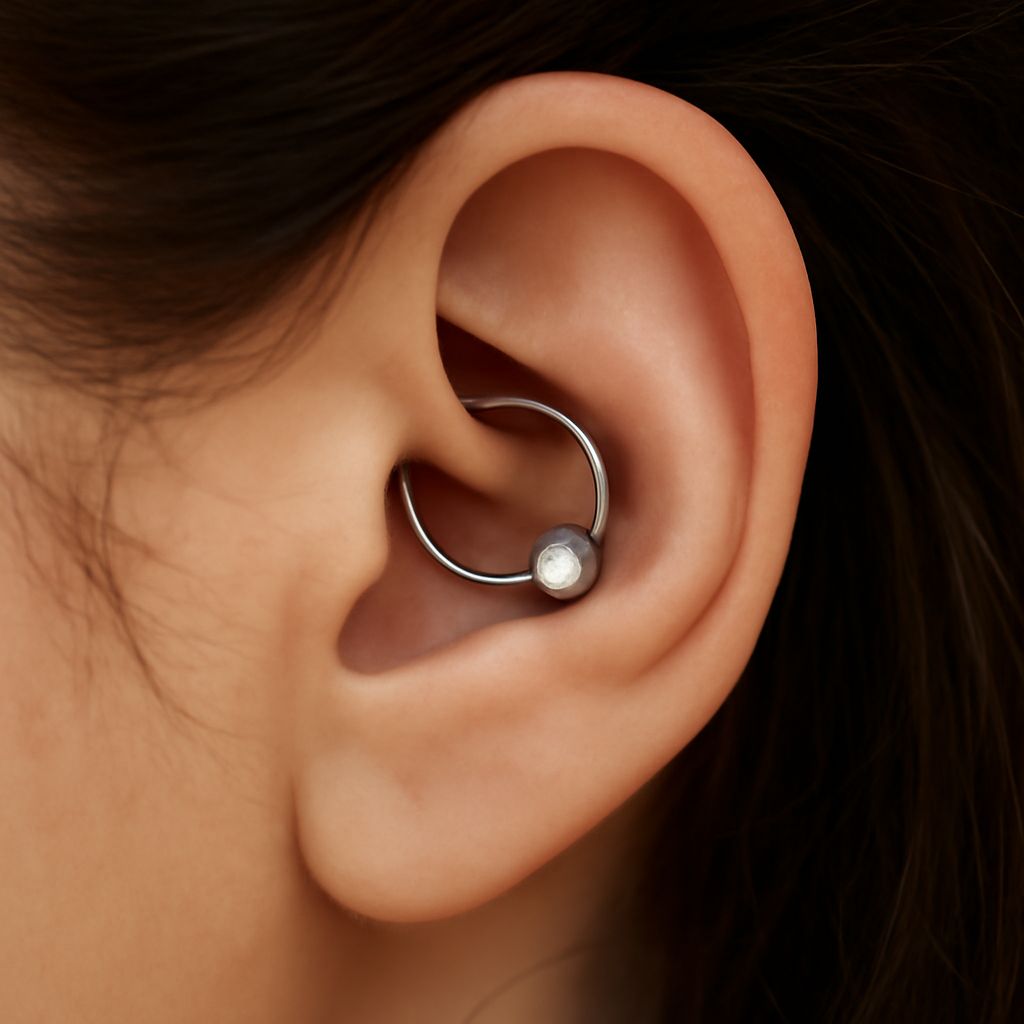
The concept of migraine piercing, particularly the daith piercing, is gaining traction among those seeking alternative migraine relief methods. This practice involves piercing a specific point in the ear, believed to target pressure points connected to migraine alleviation. While mainstream medicine has yet to fully endorse it, anecdotal evidence suggests potential benefits, sparking a broader discussion on the legitimacy and ethics of such practices.
How Piercing for Migraines Works
The premise behind piercing for migraines hinges on its supposed ability to target acupressure points. Similar to acupuncture, the daith piercing is said to influence pathways that alleviate migraine symptoms. Those who advocate for this method suggest that the piercing creates a continuous pressure that may reduce the frequency and intensity of headaches.
However, skeptics argue that the effectiveness of ear piercing for migraines is largely anecdotal, lacking substantial scientific backing. This division prompts further inquiry into the nature of pain and the legitimacy of unconventional remedies like headache piercing.
Philosophical Perspectives on Migraine Relief
The pursuit of migraine relief through piercing invites a philosophical examination of ethics and the role of unconventional methods in healing. It challenges us to consider the balance between anecdotal success and scientific validation.
Ethical Considerations
From an ethical standpoint, the rising popularity of migraine piercing raises questions about informed consent and the responsibilities of practitioners who perform these piercings. Is it ethical to offer a practice with limited scientific support? Should practitioners ensure that individuals understand the potential risks and benefits, despite the lack of concrete evidence?
Ideas on Pain and Healing
Philosophically, pain and its alleviation are deeply personal experiences. The choice to undergo headache piercing may reflect an individual’s belief in alternative medicine or a desire for control over their own healing process. This leads to broader discussions on the power of belief in treatment efficacy and the subjective nature of pain.
What Piercing Helps with Migraines?
The daith piercing is the most commonly associated type of piercing for migraines. Positioned in the innermost fold of the ear, it is believed to mimic acupuncture principles. Despite its popularity, other ear piercings are occasionally explored, yet none have garnered the same level of anecdotal support for migraine relief.
It’s crucial to recognize that while some report relief, others may experience no change or even adverse effects. This inconsistency underscores the need for more comprehensive research to determine which headache piercing, if any, might be effective for broader populations.
The Science Behind Headache Piercing
Current scientific understanding of headache piercing remains limited. Research has yet to conclusively demonstrate the biological mechanisms by which an ear piercing for migraines might exert its effects. Some hypothesize that neural pathways or placebo effects could play a role, but definitive studies are lacking.
This gap in scientific knowledge invites further investigation into whether piercing for migraines genuinely offers relief or if its benefits are primarily psychological. Future research could illuminate the interaction between belief, expectation, and physical outcomes in the context of migraine piercing.
As we explore these concepts, it’s essential to approach migraine piercing with a critical yet open mind. While the anecdotal evidence is compelling to many, the ethical and scientific foundations remain areas ripe for exploration and understanding.
Safety Recap: For those considering migraine piercing, understand the potential risks and consult a knowledgeable practitioner. While tools and methods may seem simple, ensuring proper technique and aftercare is crucial for a safe experience.